The Eduard Fw 190A‑3 kit offers a finely detailed representation of the early‑war variant of Focke‑Wulf’s famous fighter. This boxing depicts the A‑3 armed with two wing‑mounted cannons, and includes Eduard’s high‑quality plastic parts, five marking options, pre‑painted photo‑etch, and a painting mask for precise finishing.
Kit Contents
Plastic parts: Eduard
Decal options: 5
Decals: Eduard
Photo‑etch: Yes, pre‑painted
Painting mask: Included
Historical Background
The Focke‑Wulf Fw 190 was a single‑engine, all‑metal German fighter of the Second World War, featuring a low‑wing layout and a fully enclosed cockpit. Many Luftwaffe pilots regarded it as superior to the Messerschmitt Bf 109, particularly in handling and firepower.
Development began in 1937 when the Luftfahrtministerium commissioned a new fighter design. Chief designer Kurt Tank proposed two powerplant options: the liquid‑cooled Daimler‑Benz DB 601 and the new BMW 139 radial engine. The radial was selected, and work began in 1938 under Oberingenieur R. Blaser.
The first prototype, Fw 190 V1, flew in June 1939, followed by V2, which introduced armament consisting of two MG 131 and two MG 17 machine guns. Early prototypes experimented with a tunnel‑type air intake in the propeller hub, but persistent overheating issues forced a return to a conventional NACA cowling.
Before testing was complete, the BMW 139 was replaced with the more powerful BMW 801, which required significant structural changes and repositioning of the cockpit. This solved the cabin overheating problem but introduced centre‑of‑gravity challenges. The Fw 190 V5 emerged in early 1940 with the new engine, later receiving extended wings that improved climb rate and manoeuvrability.
The first pre‑production aircraft, Fw 190A‑0, entered service with 6./JG 26 at Le Bourget in August 1941. From its first encounters with the Supermarine Spitfire, the Fw 190 demonstrated a clear performance advantage, prompting rapid Allied counter‑development.
Over the course of the war, numerous variants were produced:
A‑series: Main fighter versions with continuous upgrades
B/C prototypes: High‑altitude interceptor concepts
D‑series: “Long‑nose” fighters powered by the Jumo 213A, Germany’s answer to the P‑51 Mustang
F‑series: Fighter‑bombers for close support
G‑series: Long‑range fighter‑bombers
More than 20,000 Fw 190s were built, making it one of the most important fighters of the conflict.
Technical Data (Fw 190A‑8)
Length: 9 m
Wingspan: 10.51 m
Height: 3.95 m
Maximum speed: 656 km/h
Rate of climb: 15 m/s
Range: 800 km
Service ceiling: 11,410 m
Armament: 2 × MG 131 (13 mm) and 4 × MG 151 (20 mm)
D‑9 variant: 2 × MG 151/20E
The Eduard Fw 190A‑3 kit offers a finely detailed representation of the early‑war variant of Focke‑Wulf’s famous fighter. This boxing depicts the A‑3 armed with two wing‑mounted cannons, and includes Eduard’s high‑quality plastic parts, five marking options, pre‑painted photo‑etch, and a painting mask for precise finishing.
Kit Contents
Plastic parts: Eduard
Decal options: 5
Decals: Eduard
Photo‑etch: Yes, pre‑painted
Painting mask: Included
Historical Background
The Focke‑Wulf Fw 190 was a single‑engine, all‑metal German fighter of the Second World War, featuring a low‑wing layout and a fully enclosed cockpit. Many Luftwaffe pilots regarded it as superior to the Messerschmitt Bf 109, particularly in handling and firepower.
Development began in 1937 when the Luftfahrtministerium commissioned a new fighter design. Chief designer Kurt Tank proposed two powerplant options: the liquid‑cooled Daimler‑Benz DB 601 and the new BMW 139 radial engine. The radial was selected, and work began in 1938 under Oberingenieur R. Blaser.
The first prototype, Fw 190 V1, flew in June 1939, followed by V2, which introduced armament consisting of two MG 131 and two MG 17 machine guns. Early prototypes experimented with a tunnel‑type air intake in the propeller hub, but persistent overheating issues forced a return to a conventional NACA cowling.
Before testing was complete, the BMW 139 was replaced with the more powerful BMW 801, which required significant structural changes and repositioning of the cockpit. This solved the cabin overheating problem but introduced centre‑of‑gravity challenges. The Fw 190 V5 emerged in early 1940 with the new engine, later receiving extended wings that improved climb rate and manoeuvrability.
The first pre‑production aircraft, Fw 190A‑0, entered service with 6./JG 26 at Le Bourget in August 1941. From its first encounters with the Supermarine Spitfire, the Fw 190 demonstrated a clear performance advantage, prompting rapid Allied counter‑development.
Over the course of the war, numerous variants were produced:
A‑series: Main fighter versions with continuous upgrades
B/C prototypes: High‑altitude interceptor concepts
D‑series: “Long‑nose” fighters powered by the Jumo 213A, Germany’s answer to the P‑51 Mustang
F‑series: Fighter‑bombers for close support
G‑series: Long‑range fighter‑bombers
More than 20,000 Fw 190s were built, making it one of the most important fighters of the conflict.
Technical Data (Fw 190A‑8)
Length: 9 m
Wingspan: 10.51 m
Height: 3.95 m
Maximum speed: 656 km/h
Rate of climb: 15 m/s
Range: 800 km
Service ceiling: 11,410 m
Armament: 2 × MG 131 (13 mm) and 4 × MG 151 (20 mm)
D‑9 variant: 2 × MG 151/20E
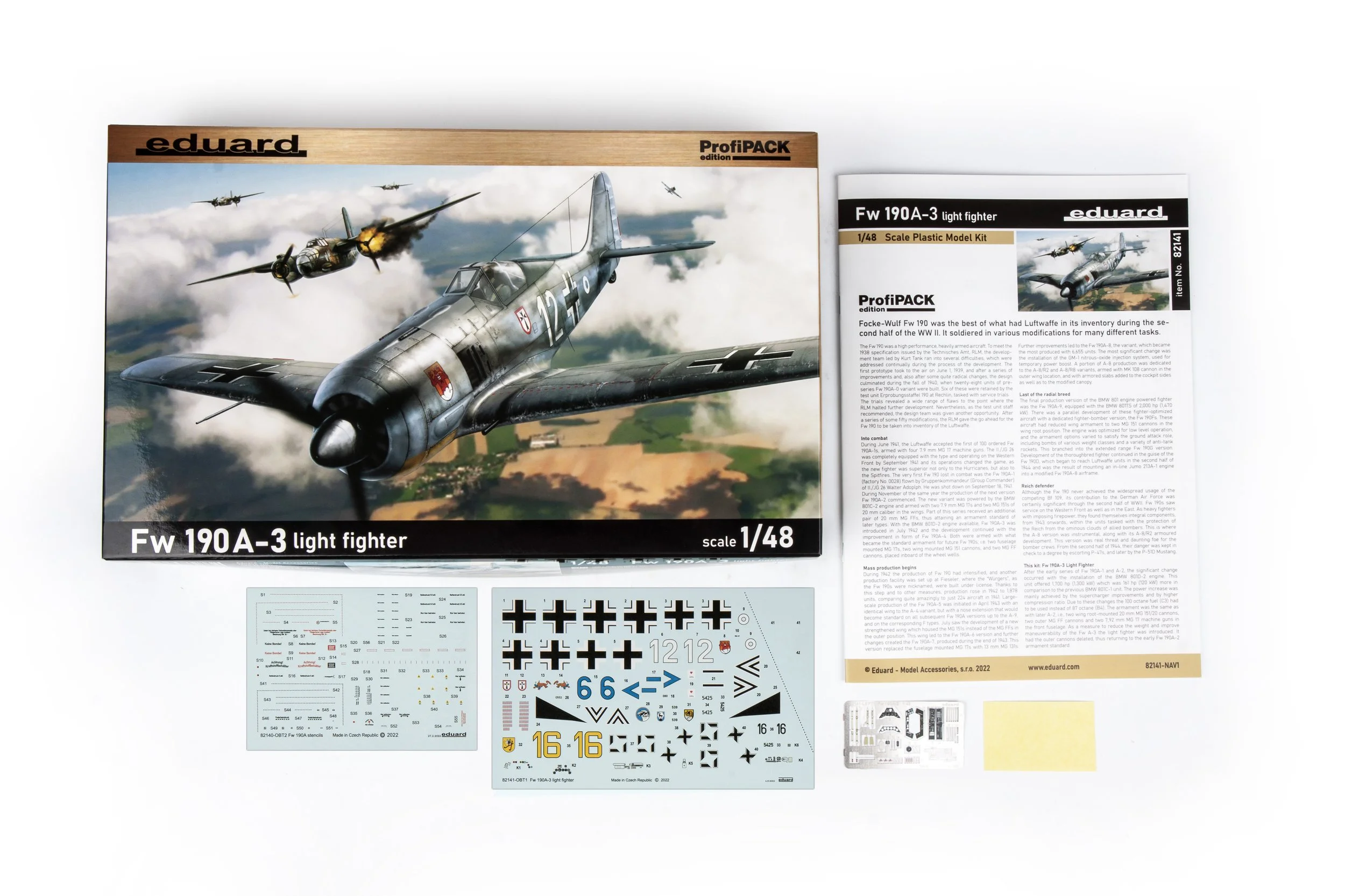 Image 1 of 16
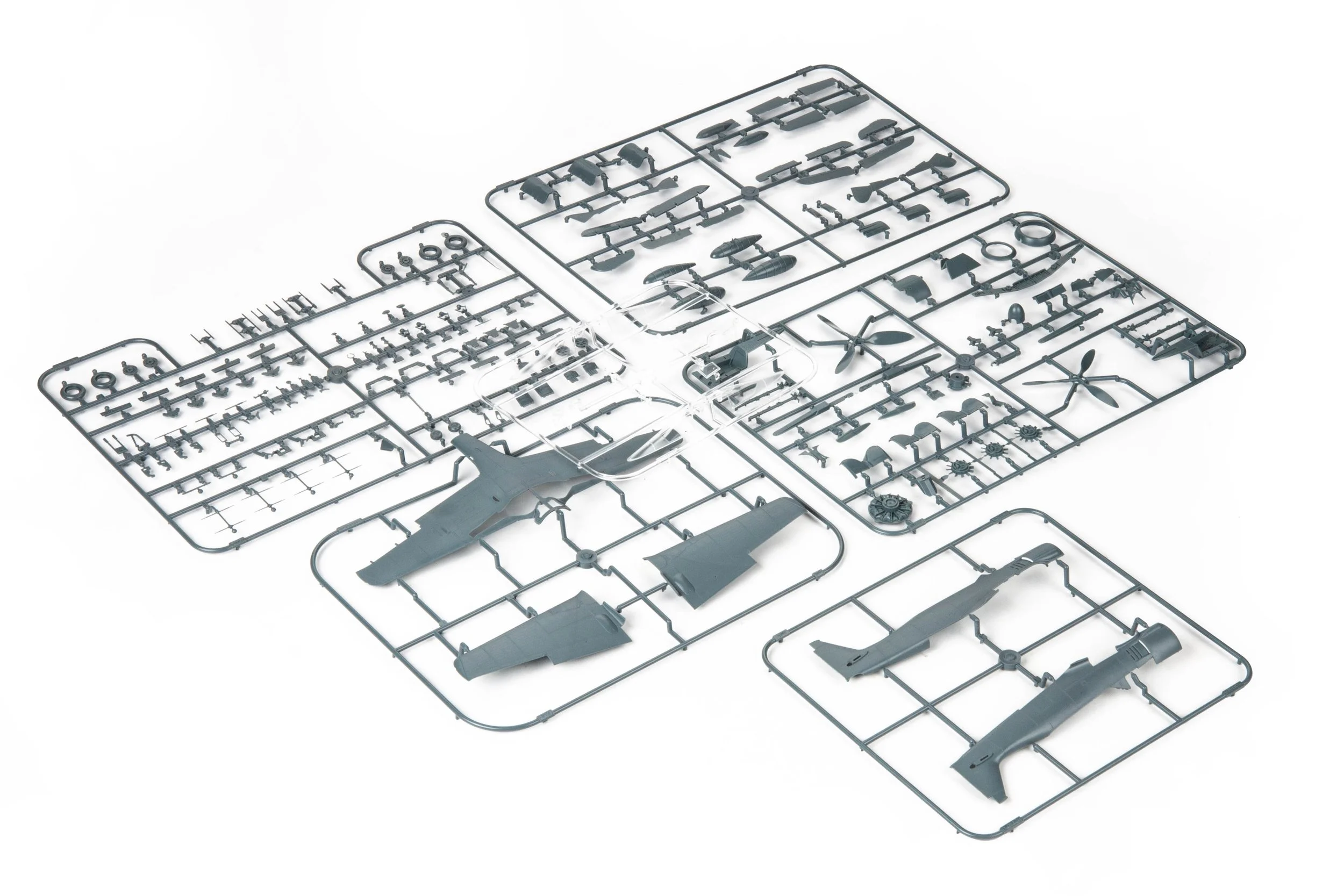 Image 2 of 16
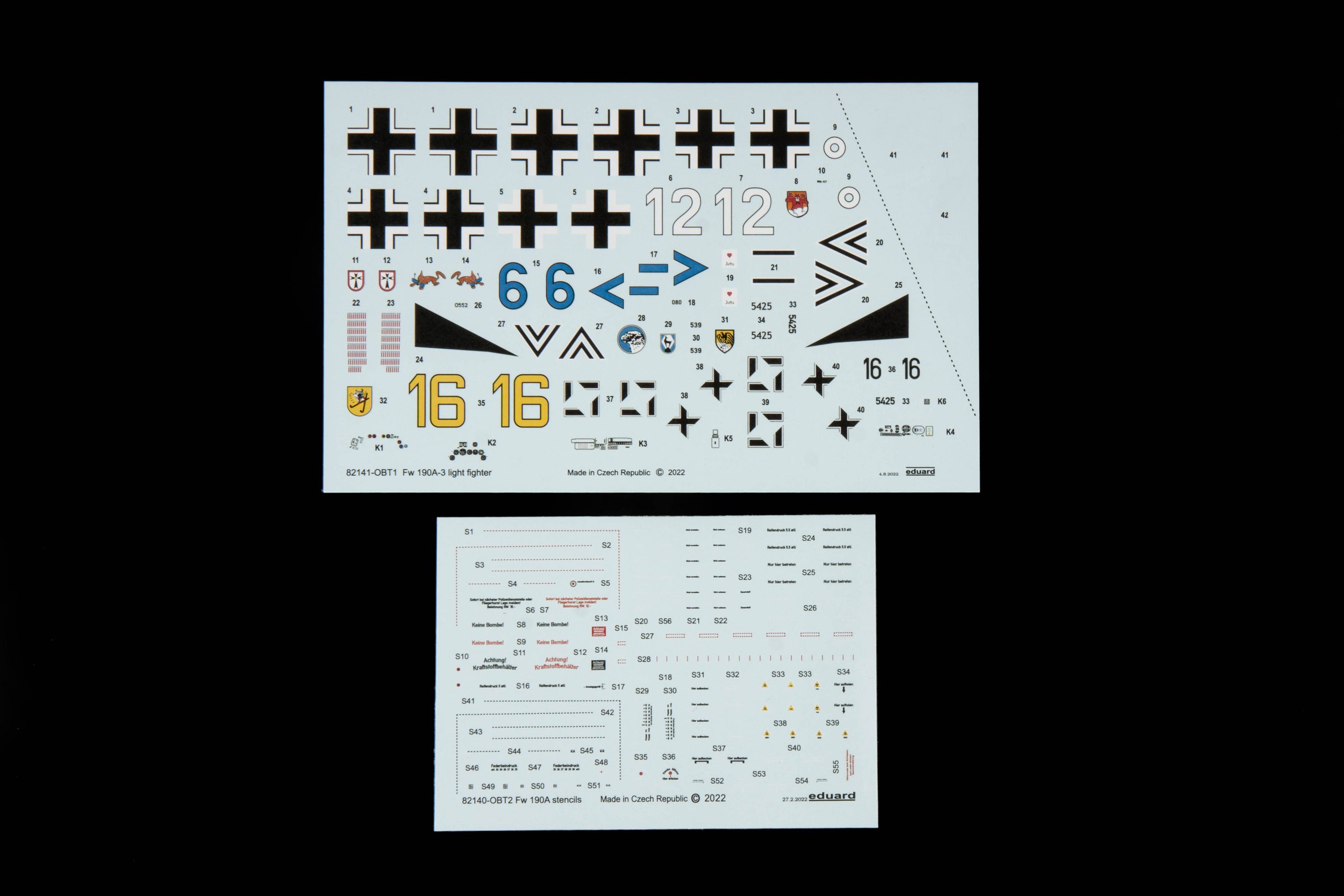 Image 3 of 16
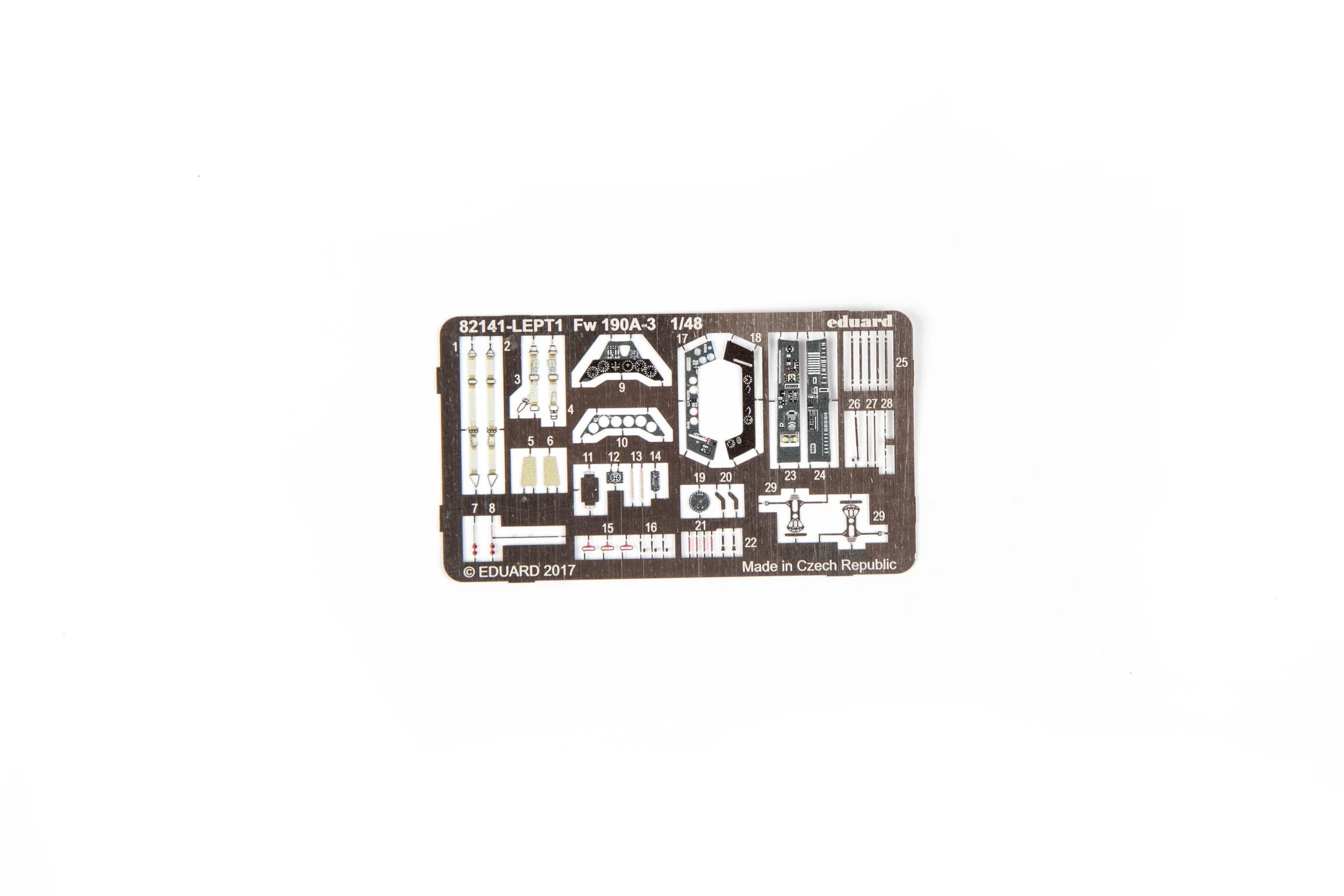 Image 4 of 16
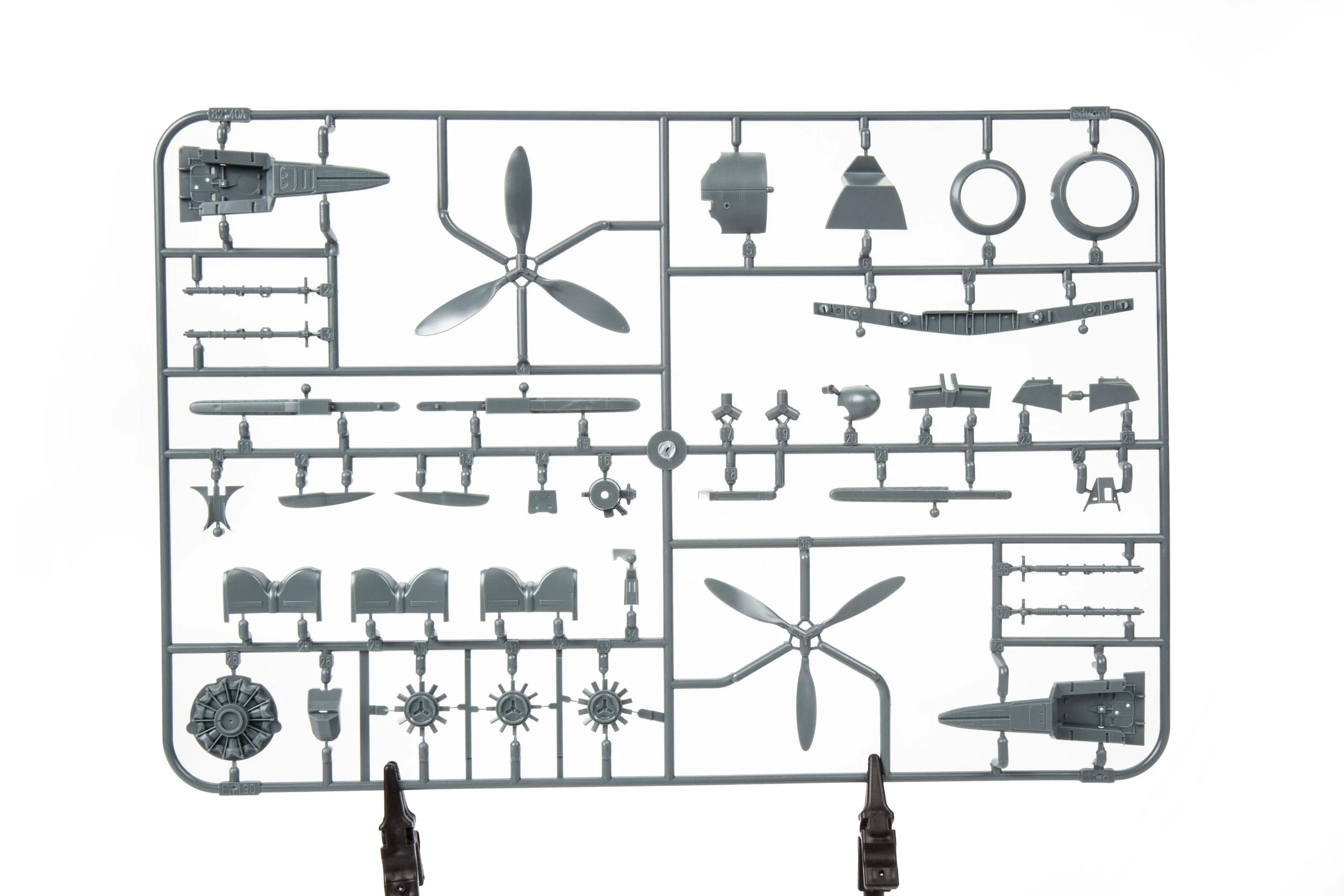 Image 5 of 16
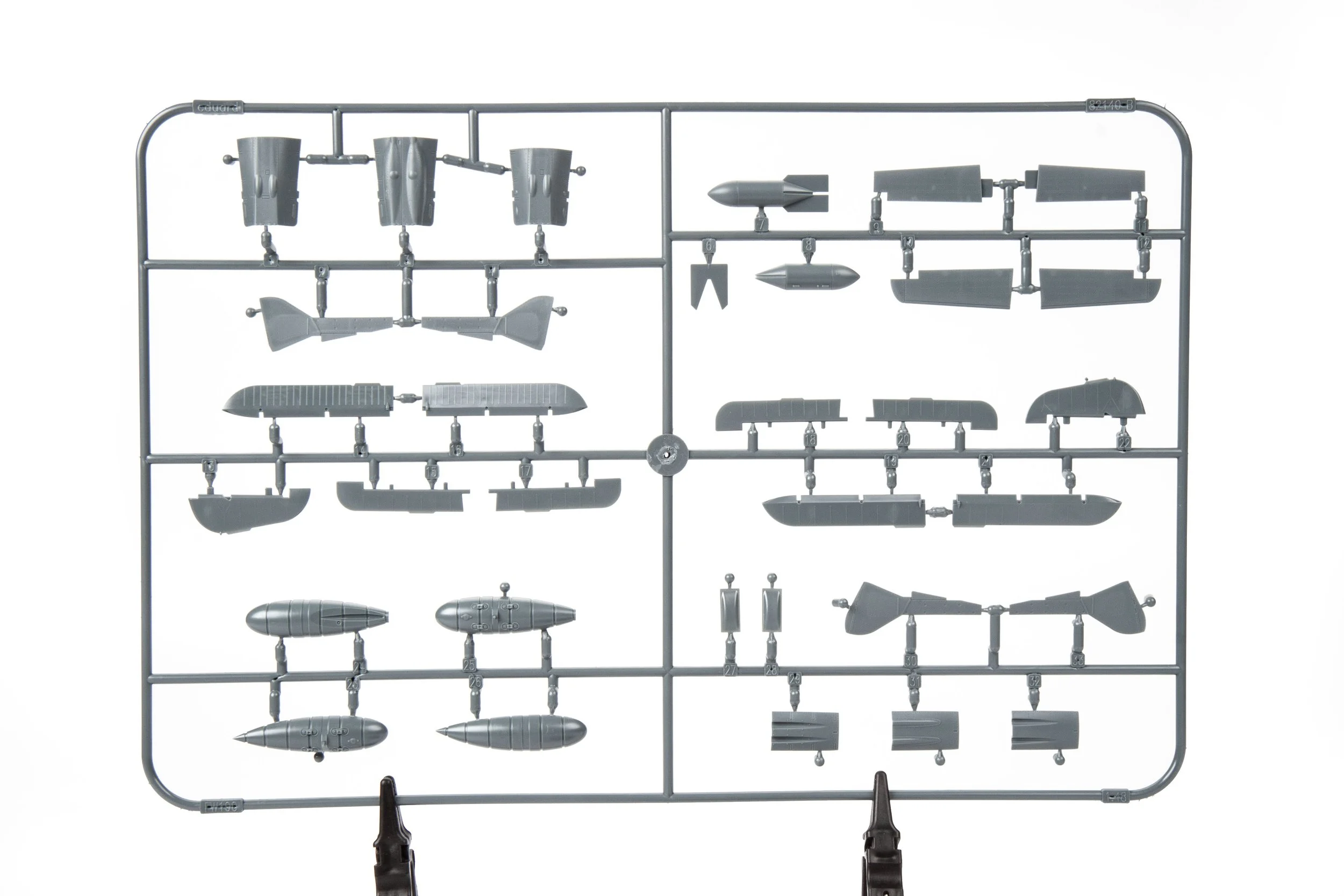 Image 6 of 16
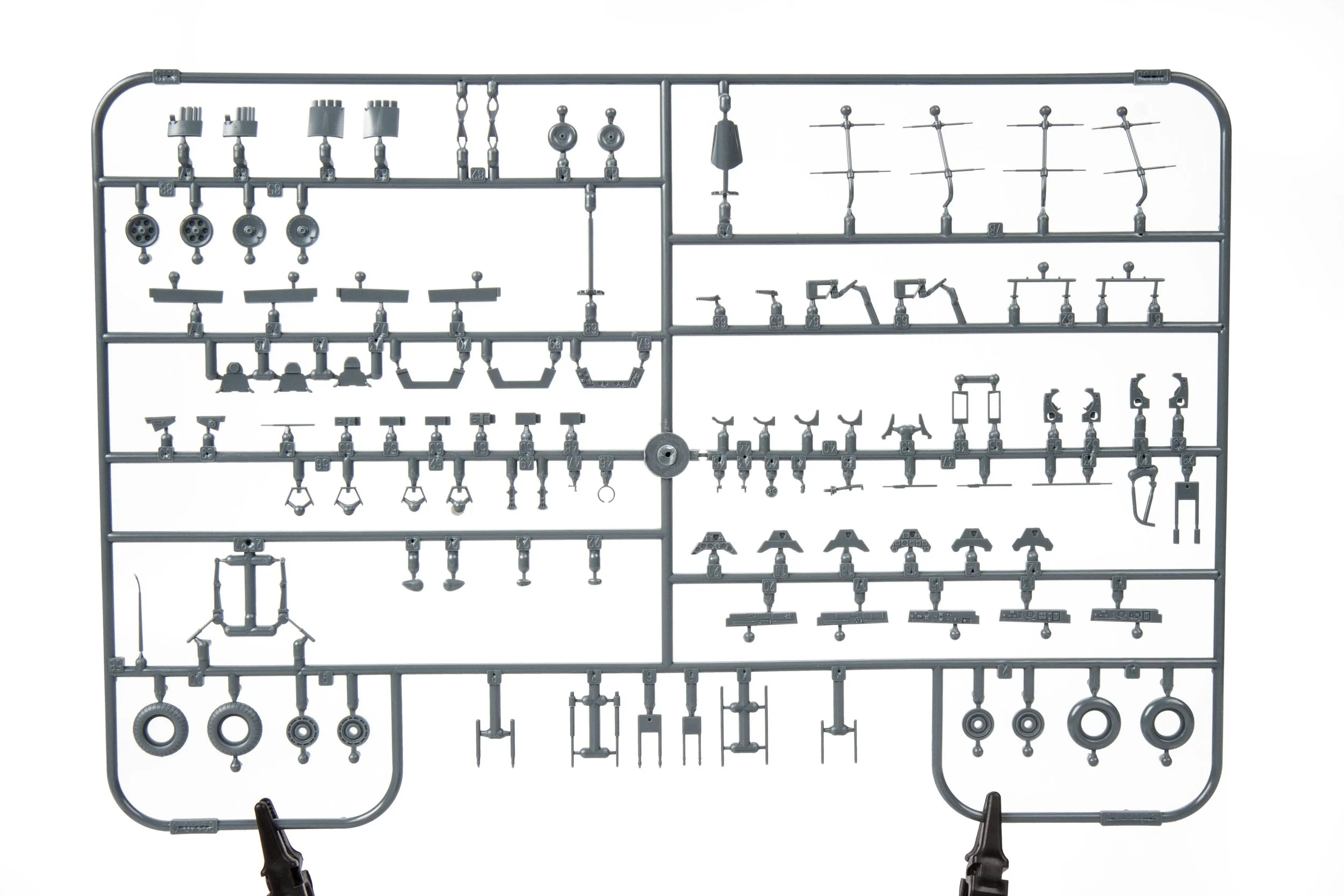 Image 7 of 16
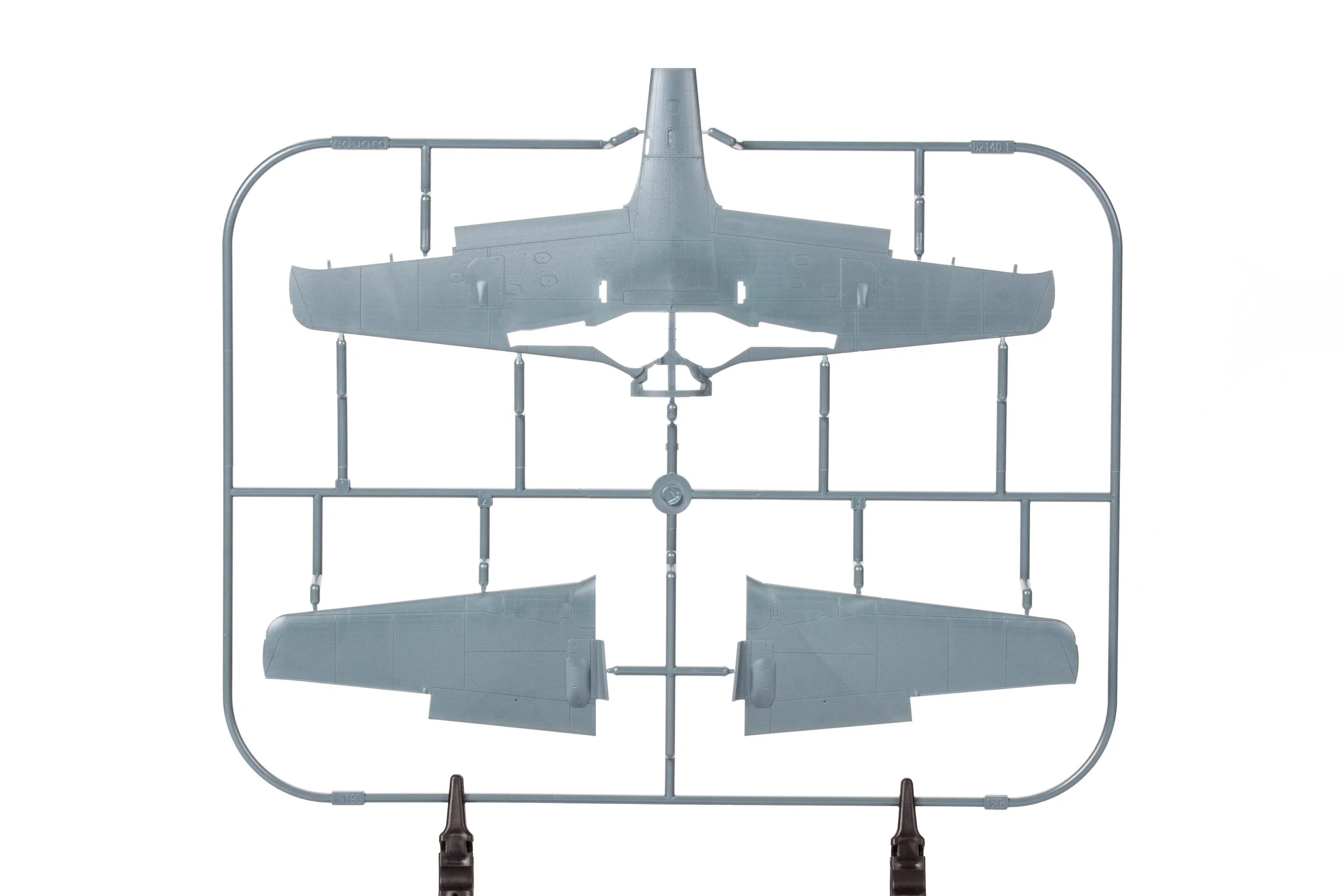 Image 8 of 16
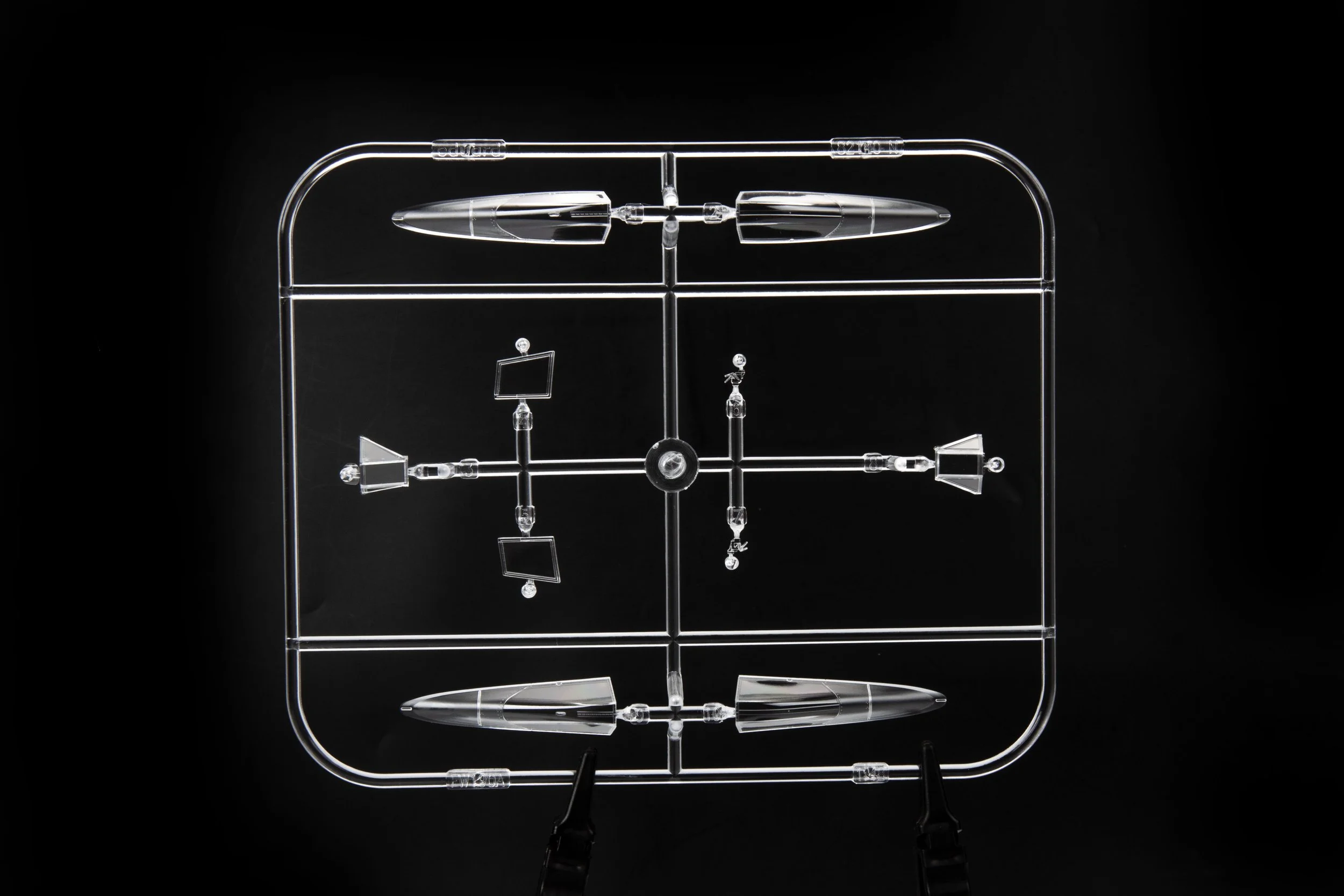 Image 9 of 16
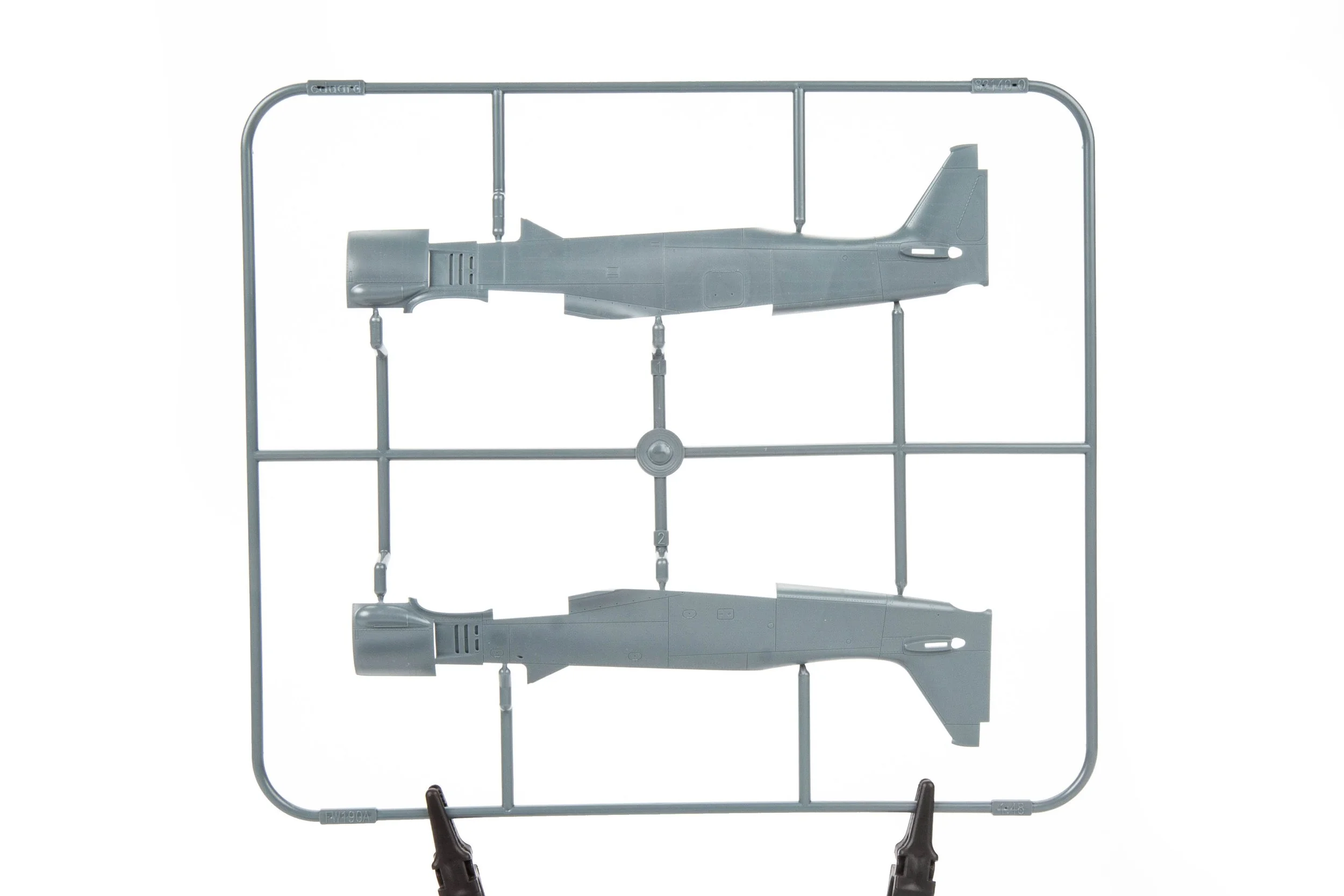 Image 10 of 16
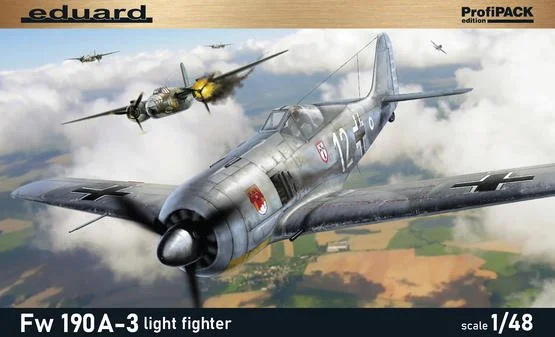 Image 11 of 16
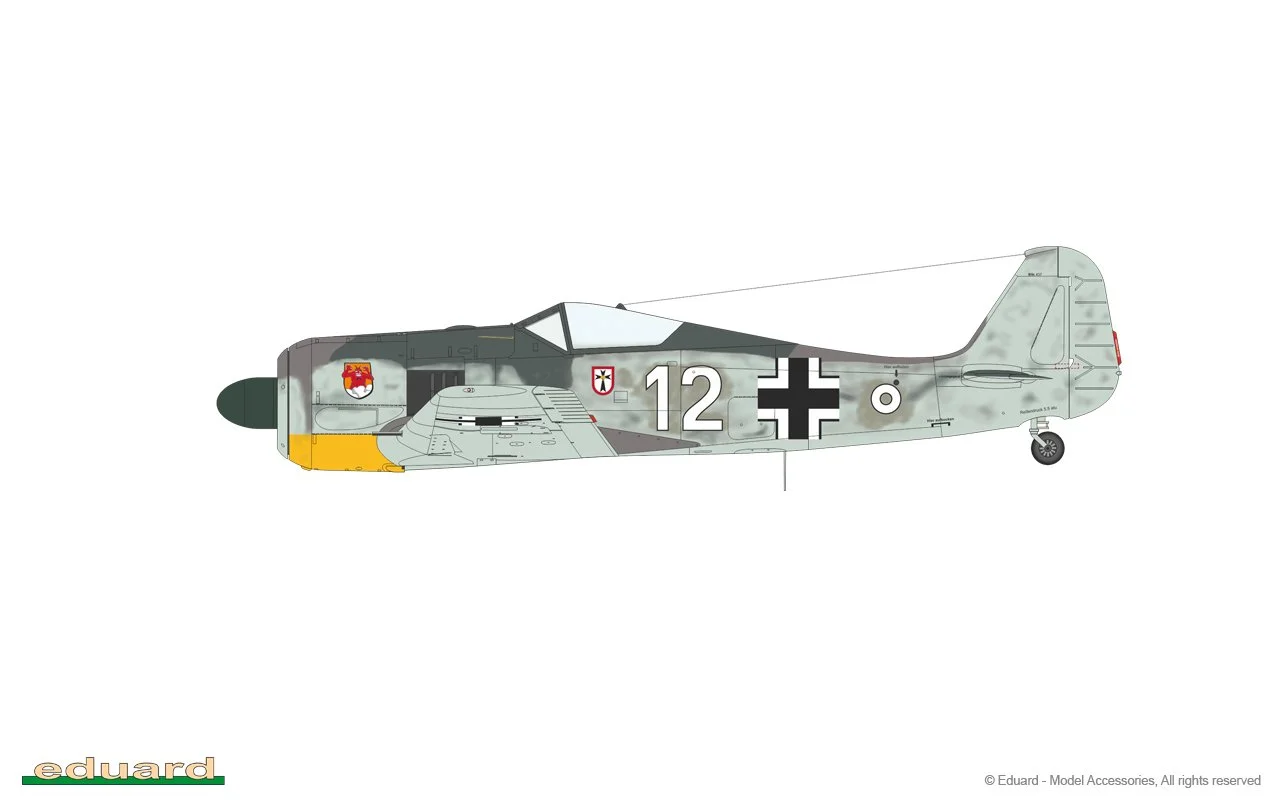 Image 12 of 16
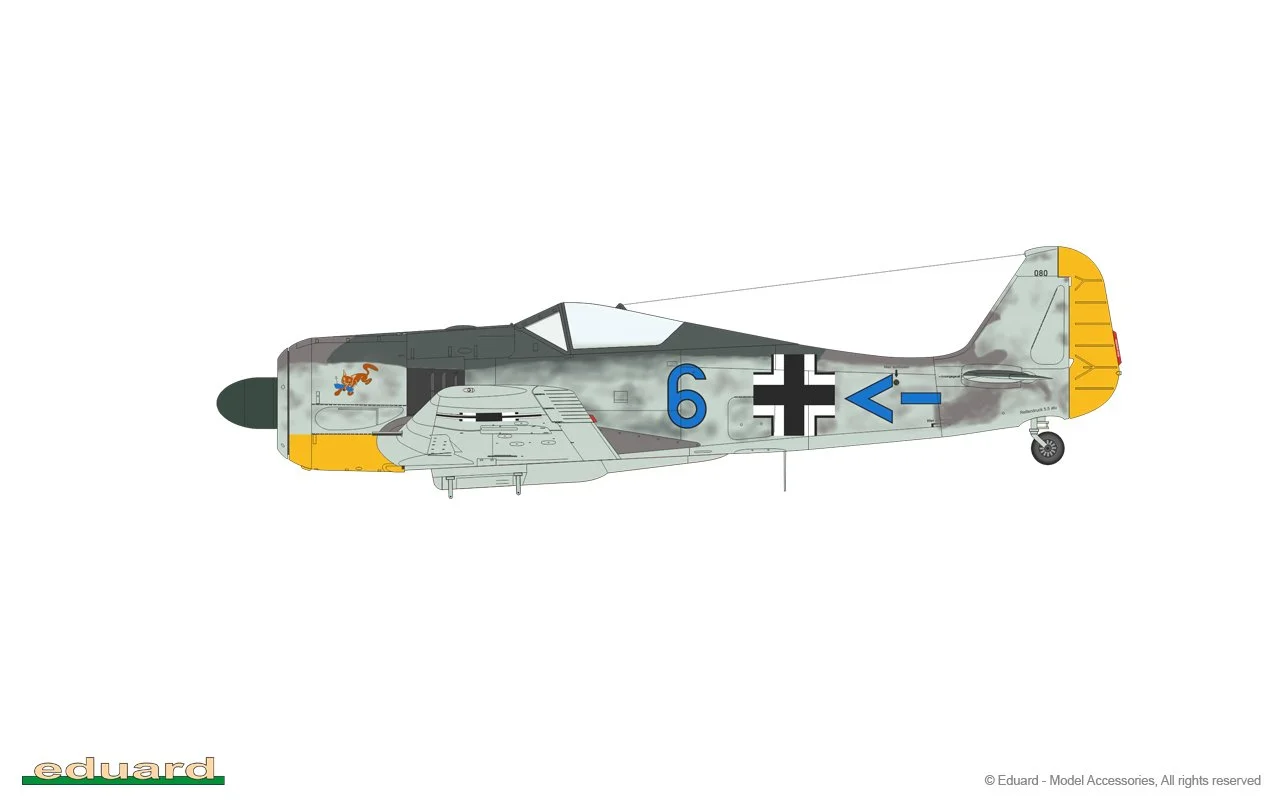 Image 13 of 16
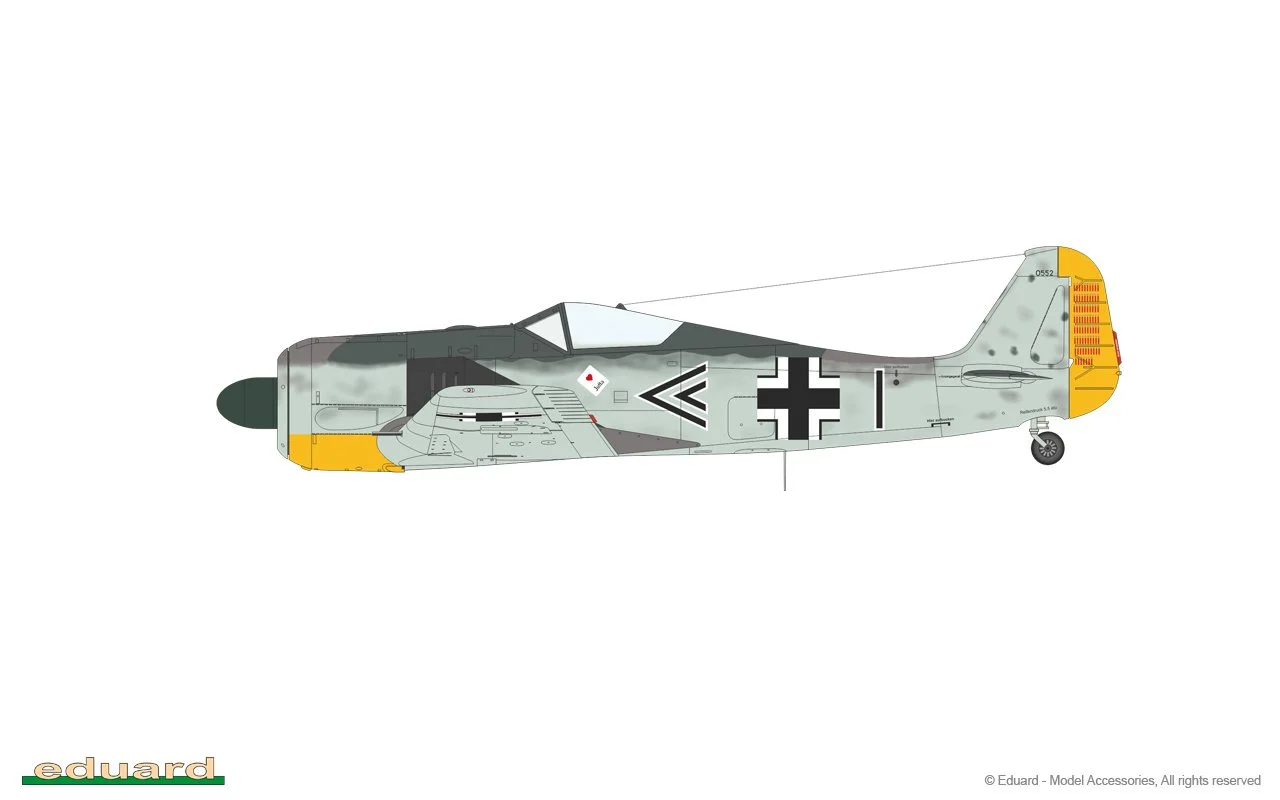 Image 14 of 16
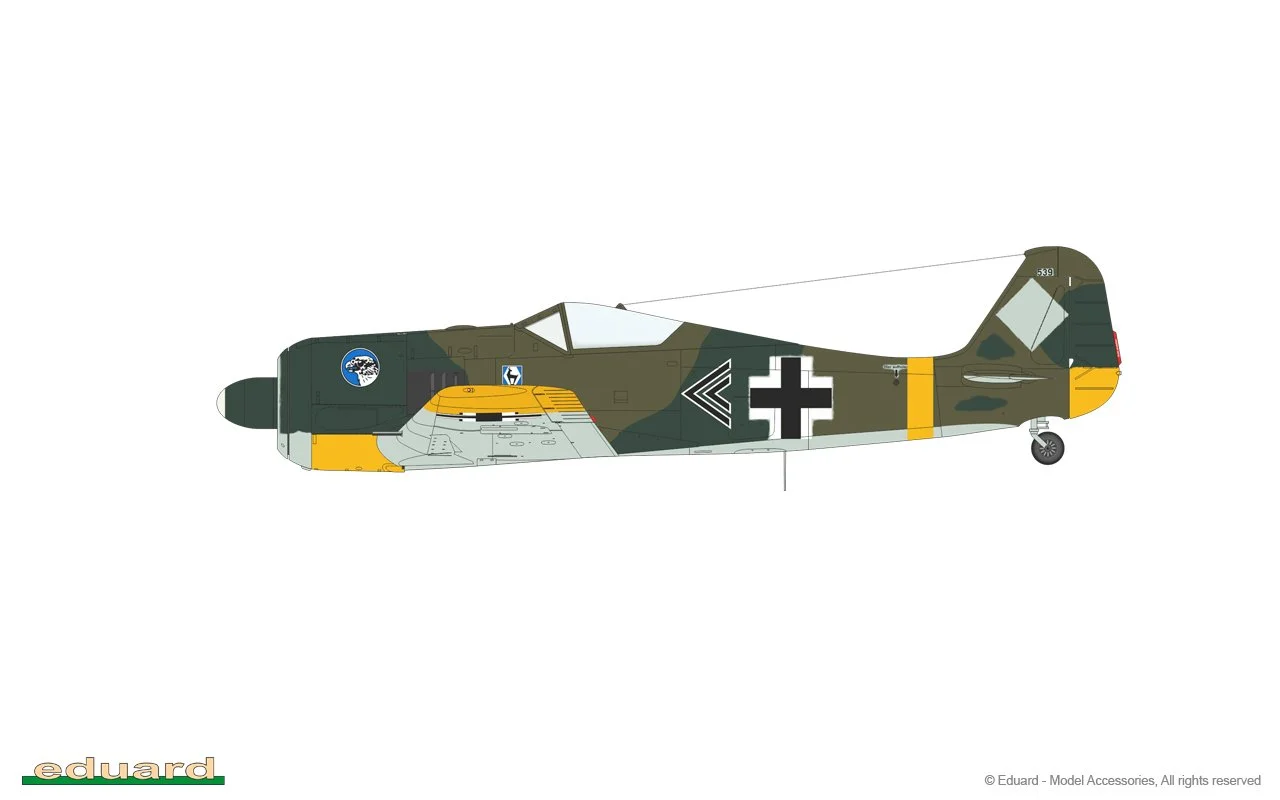 Image 15 of 16
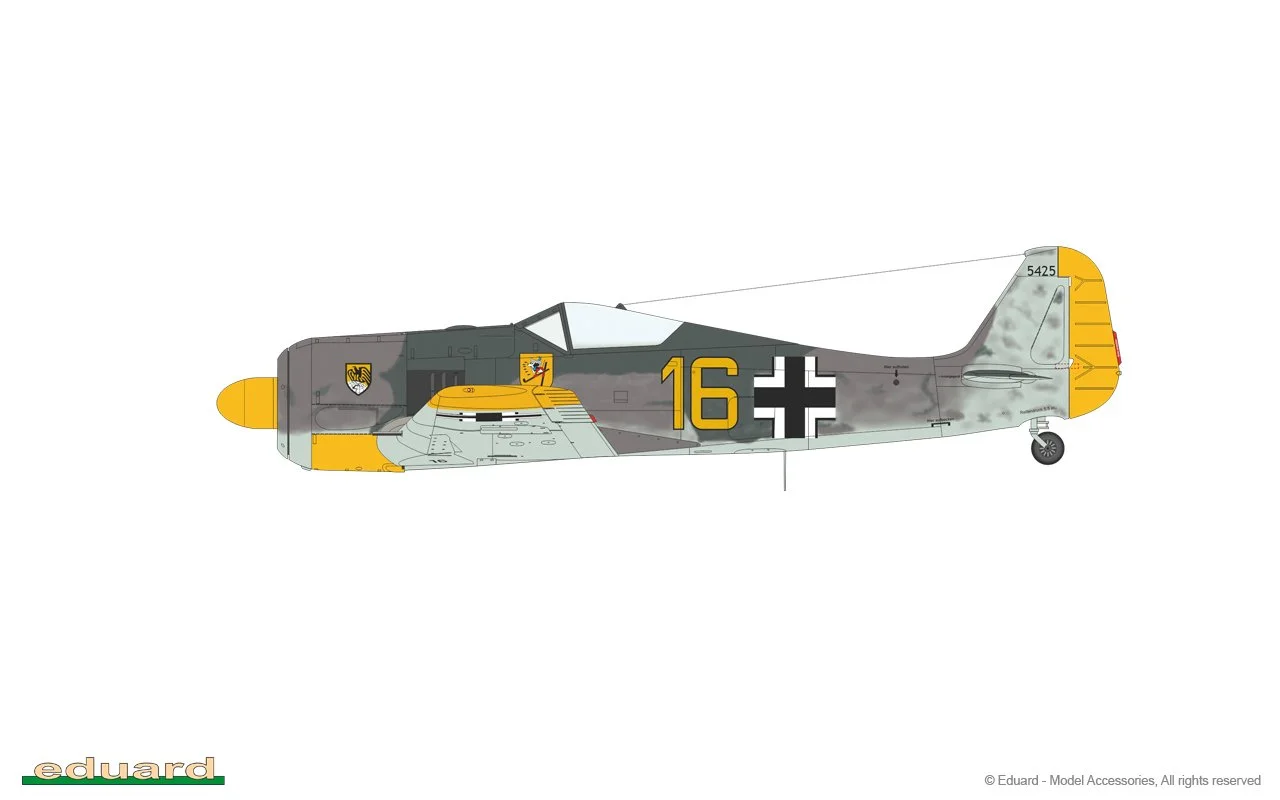 Image 16 of 16