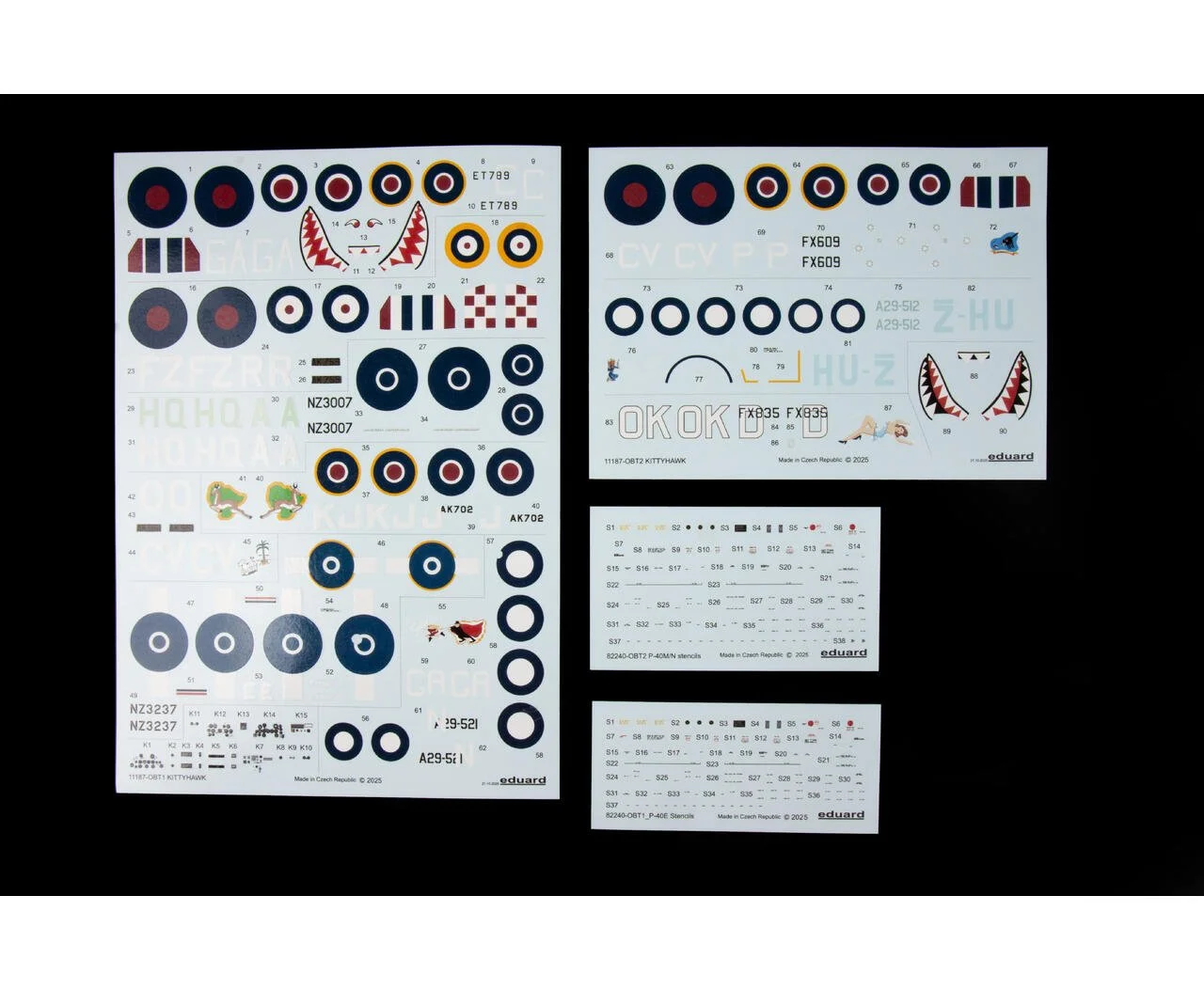
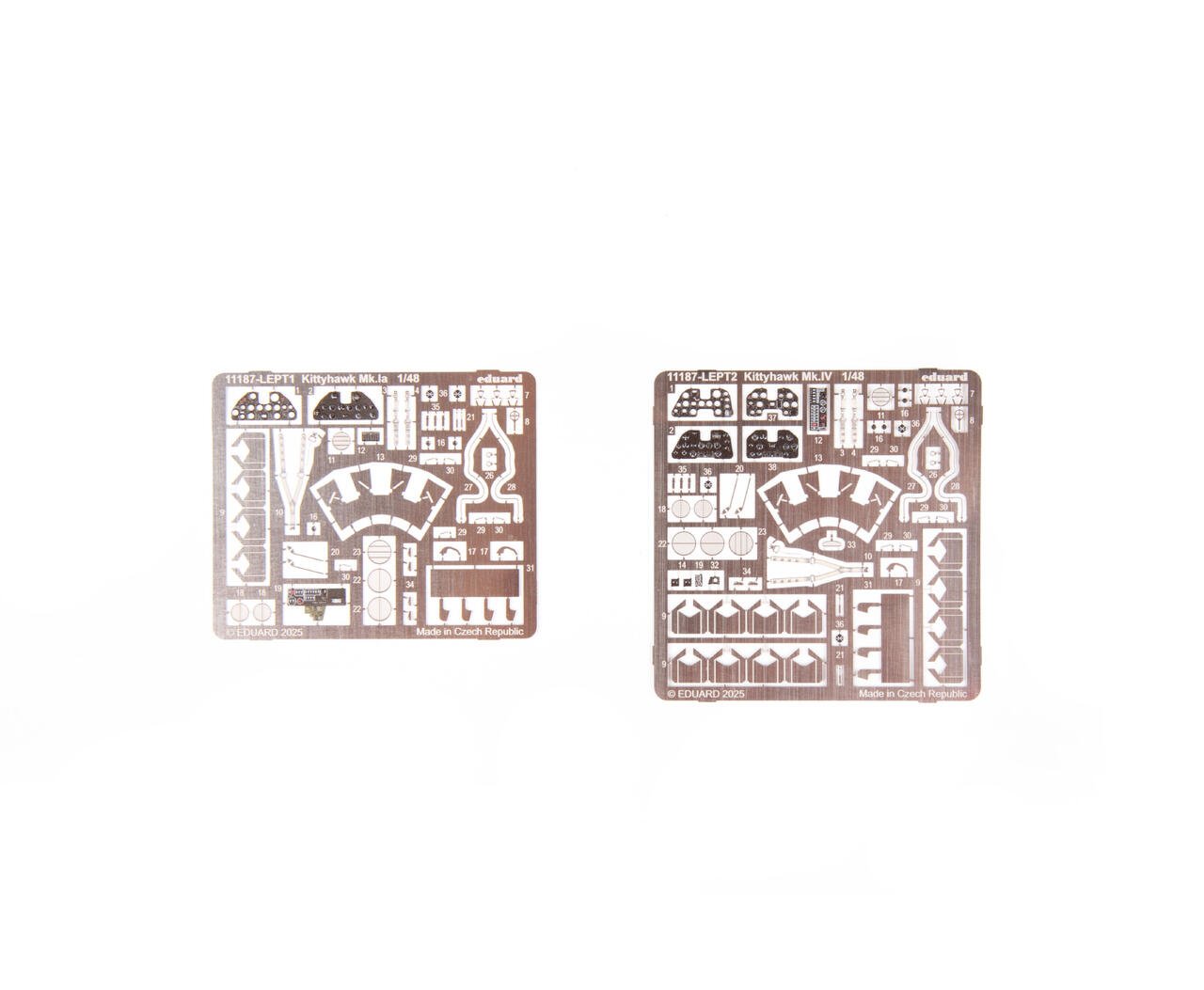
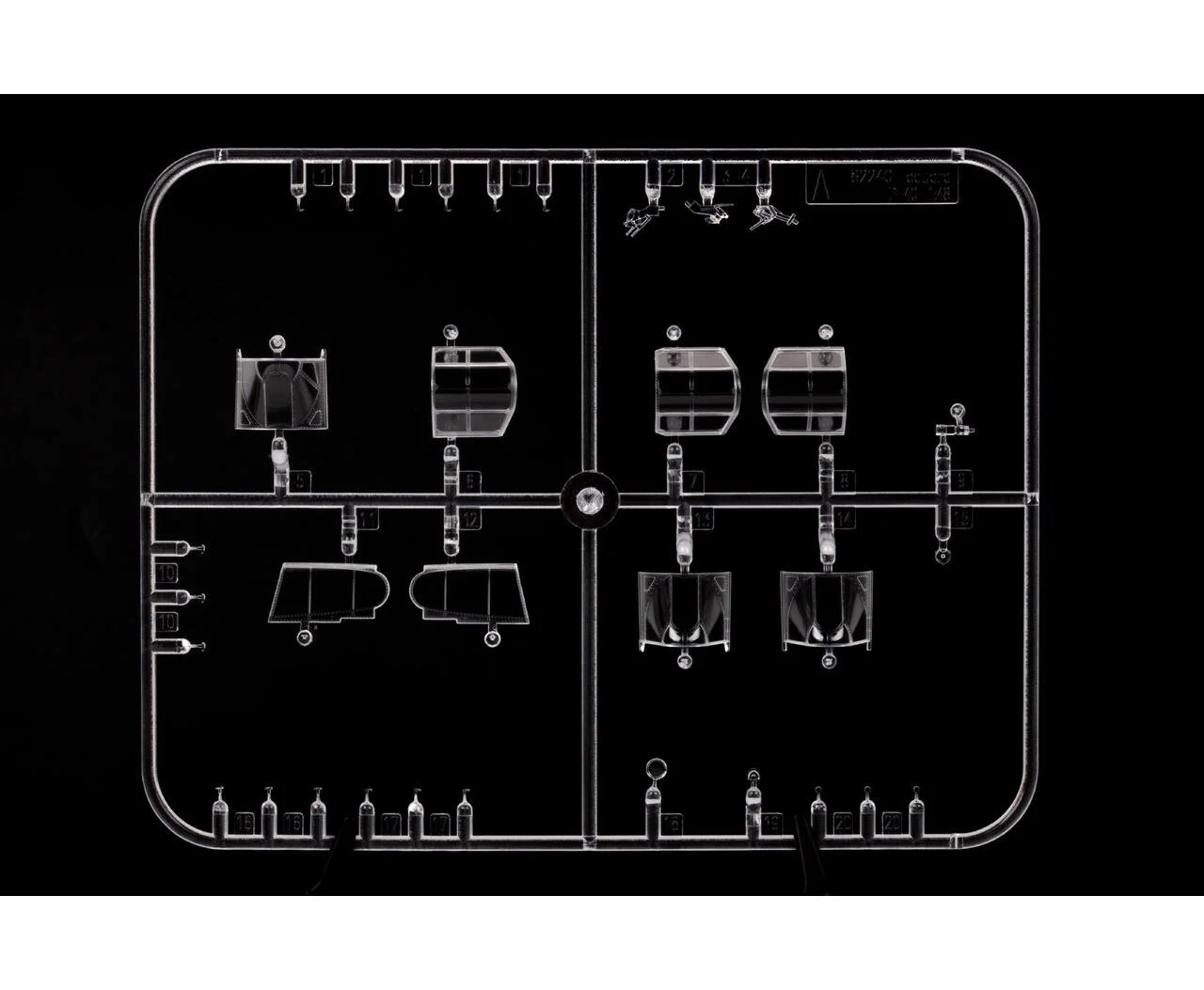
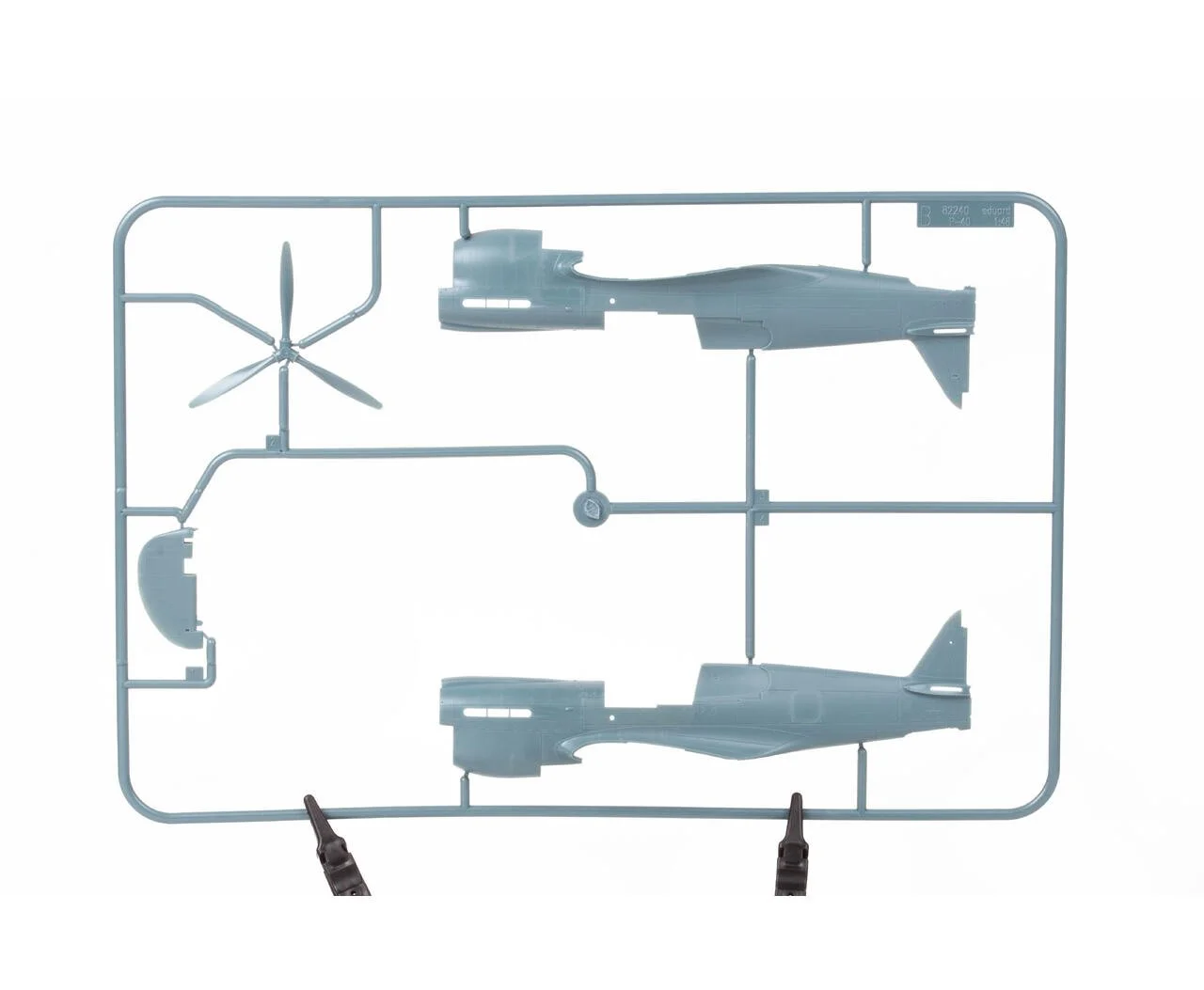
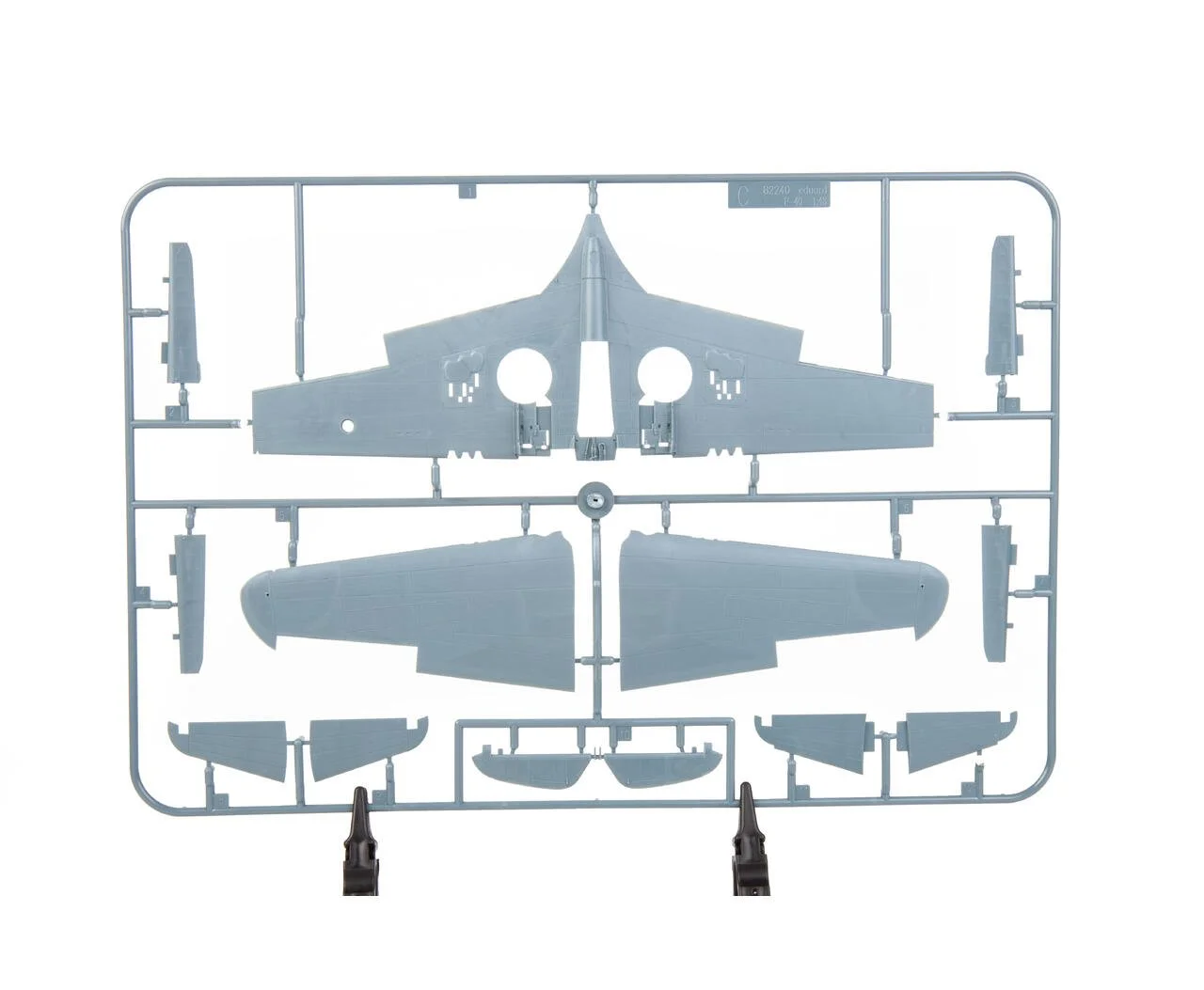
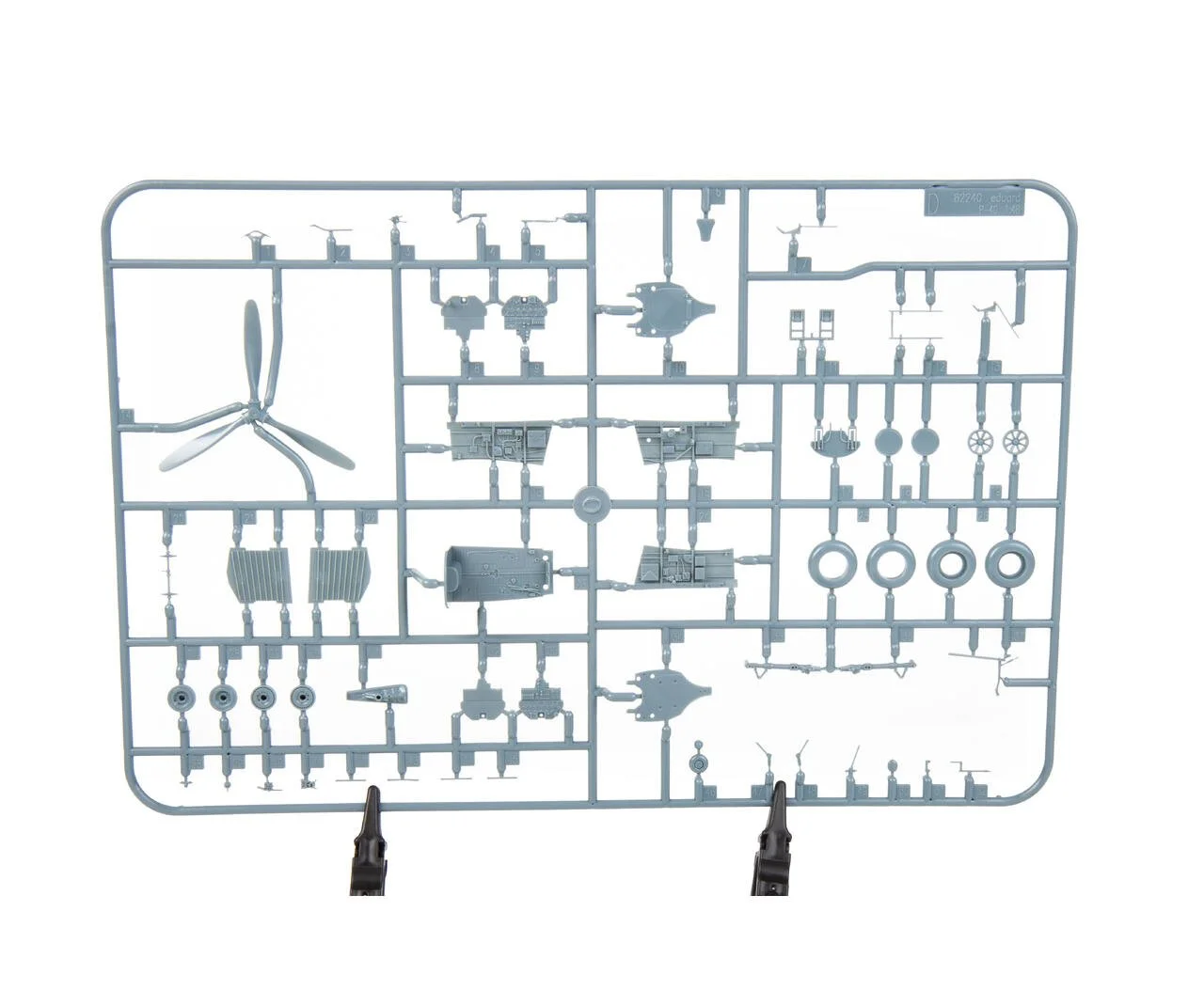
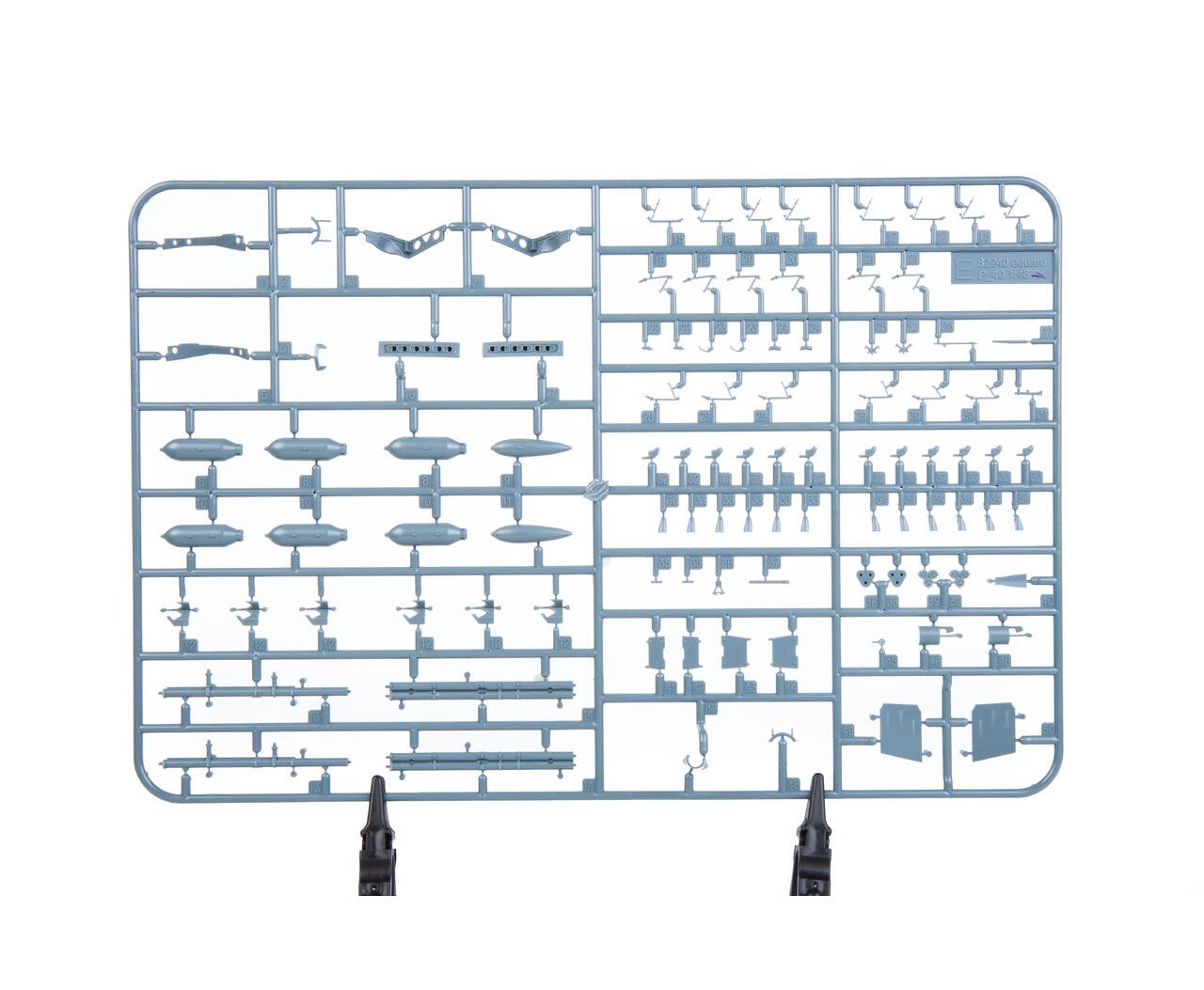
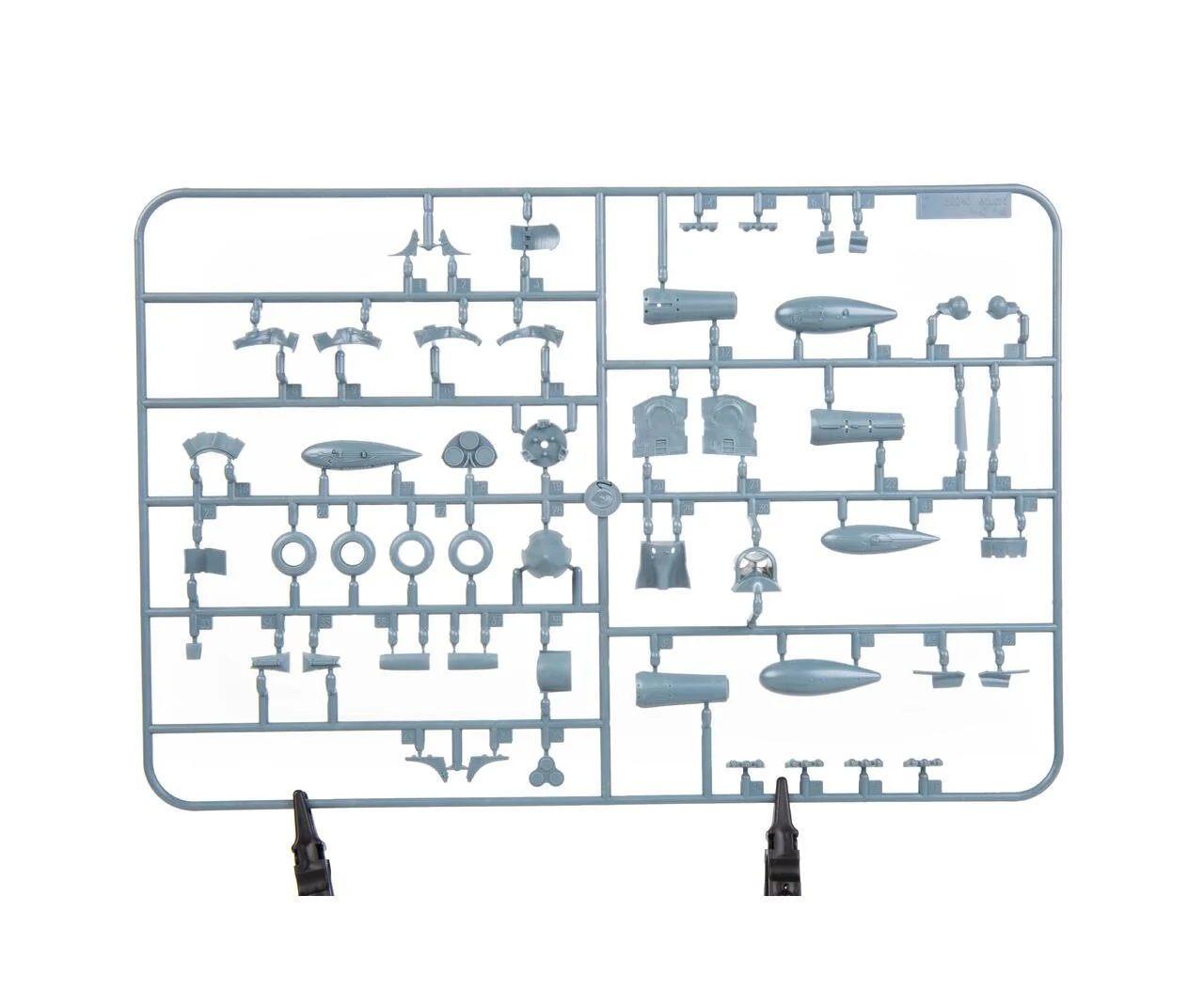
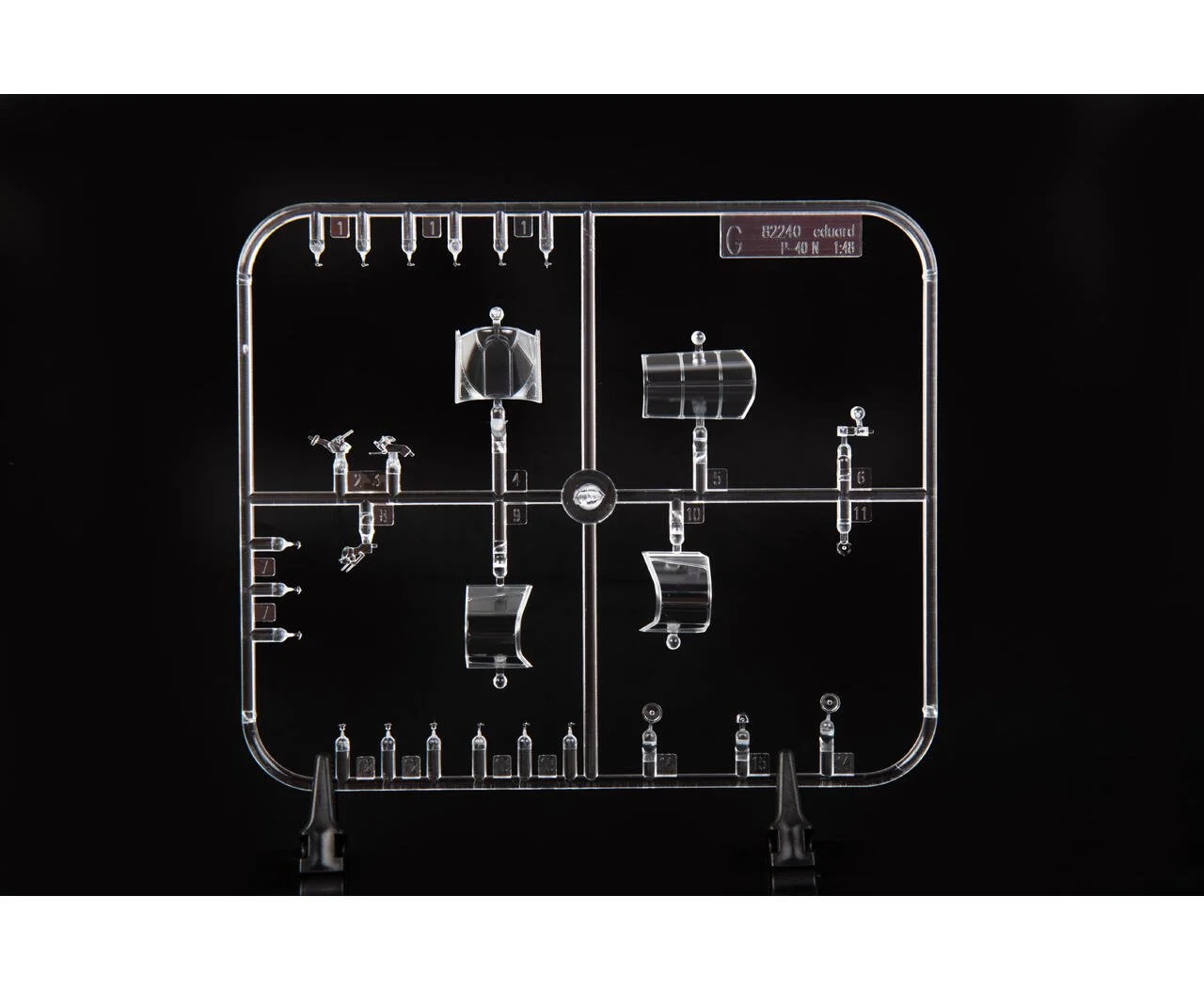
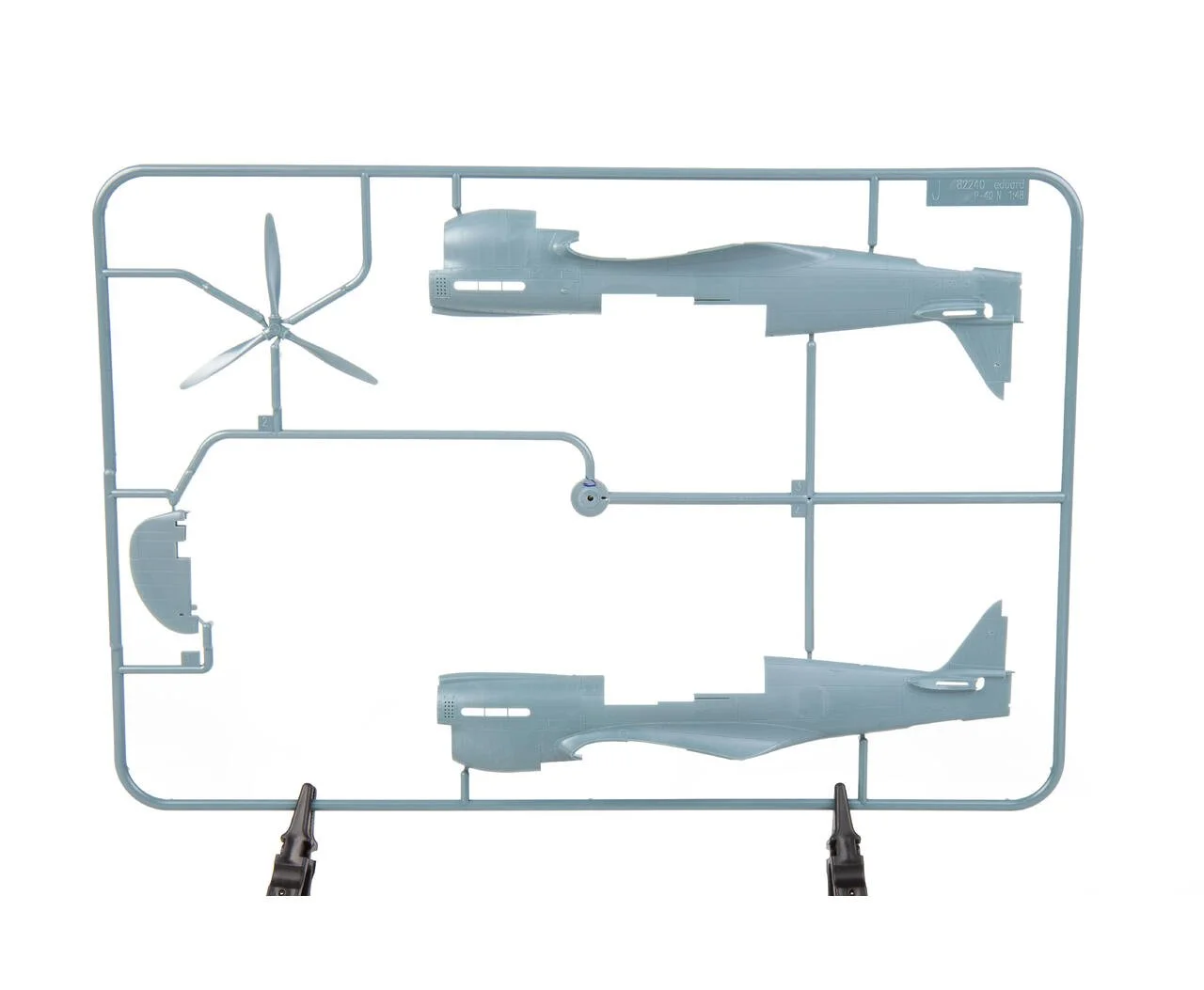
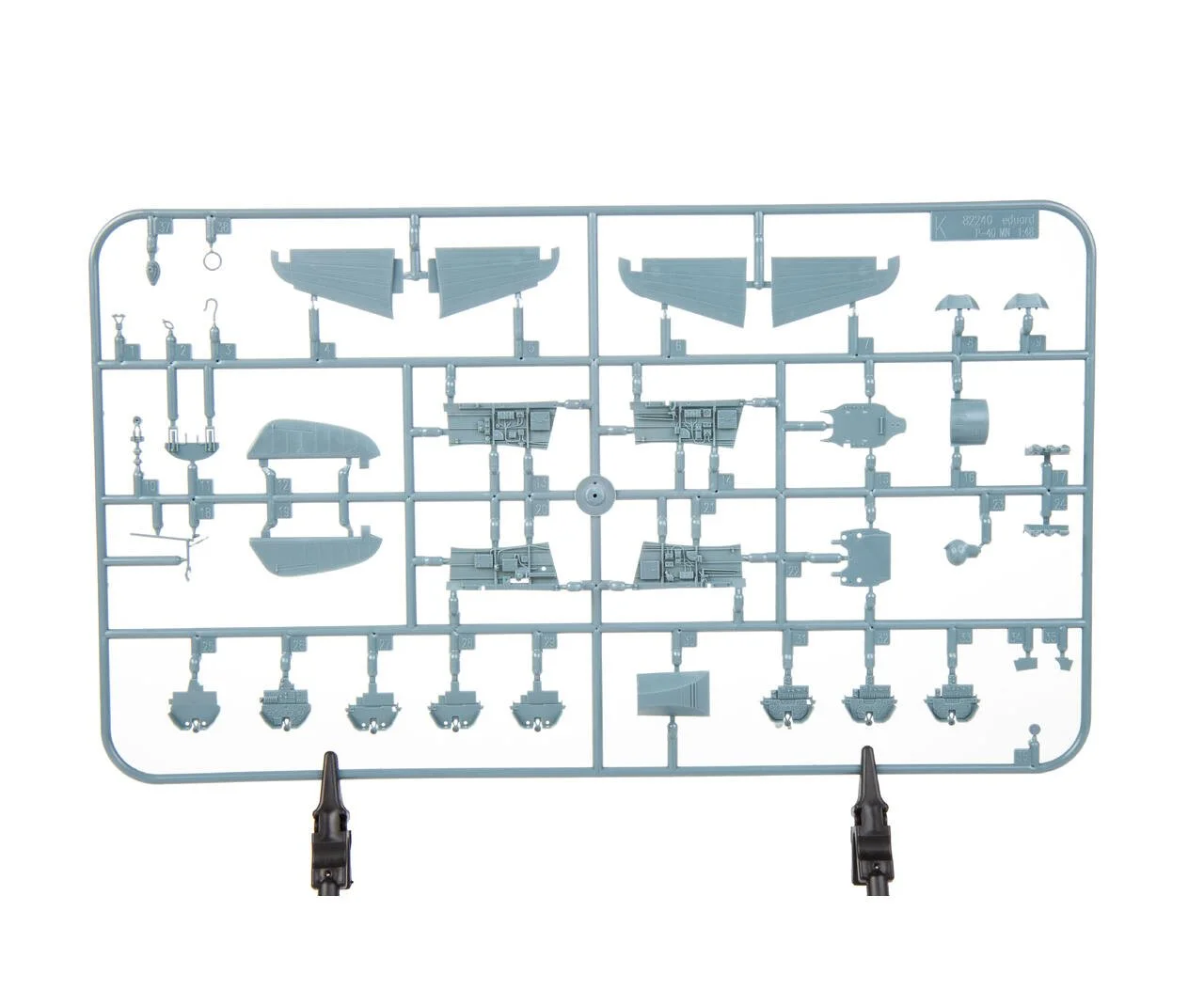
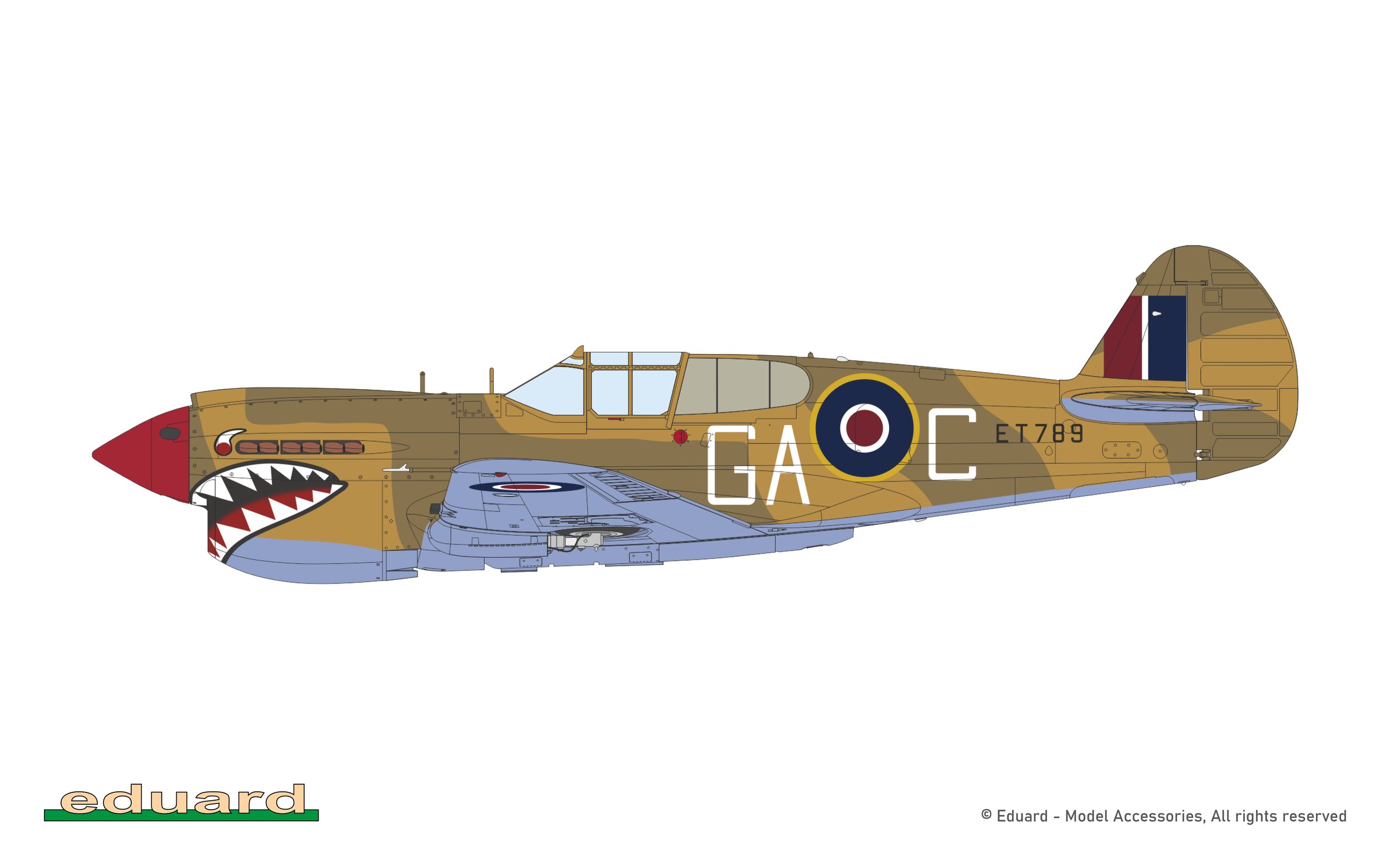
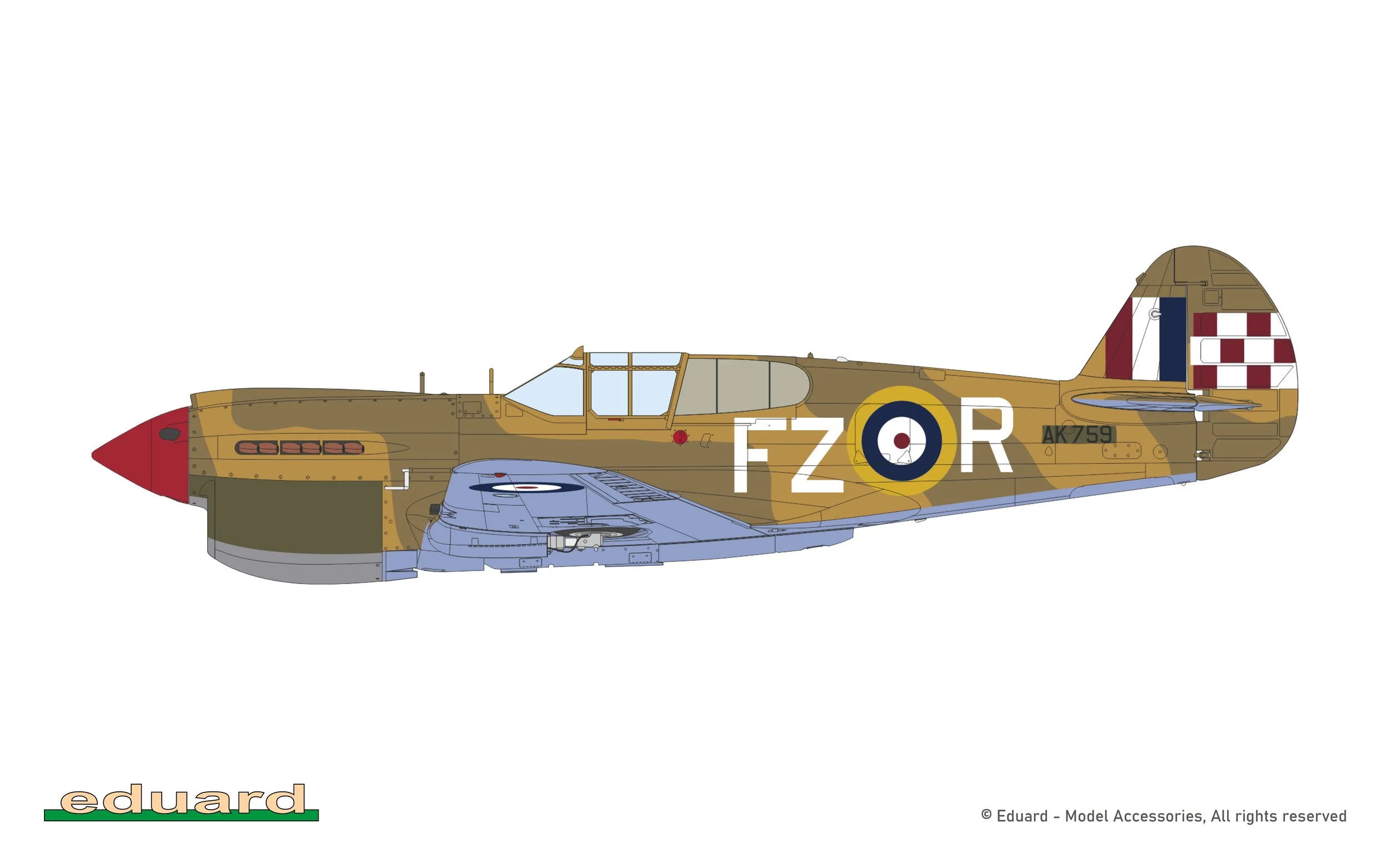
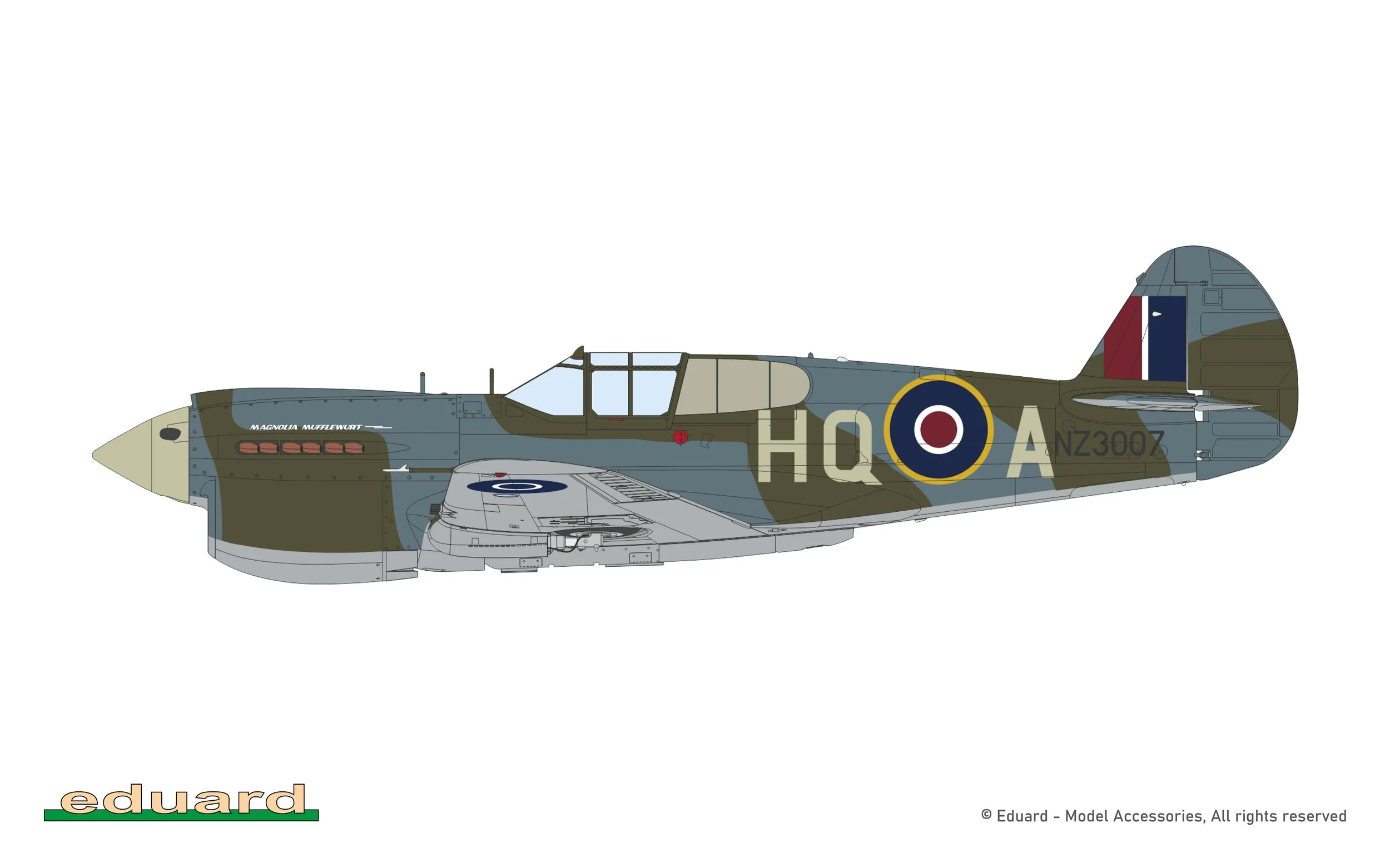
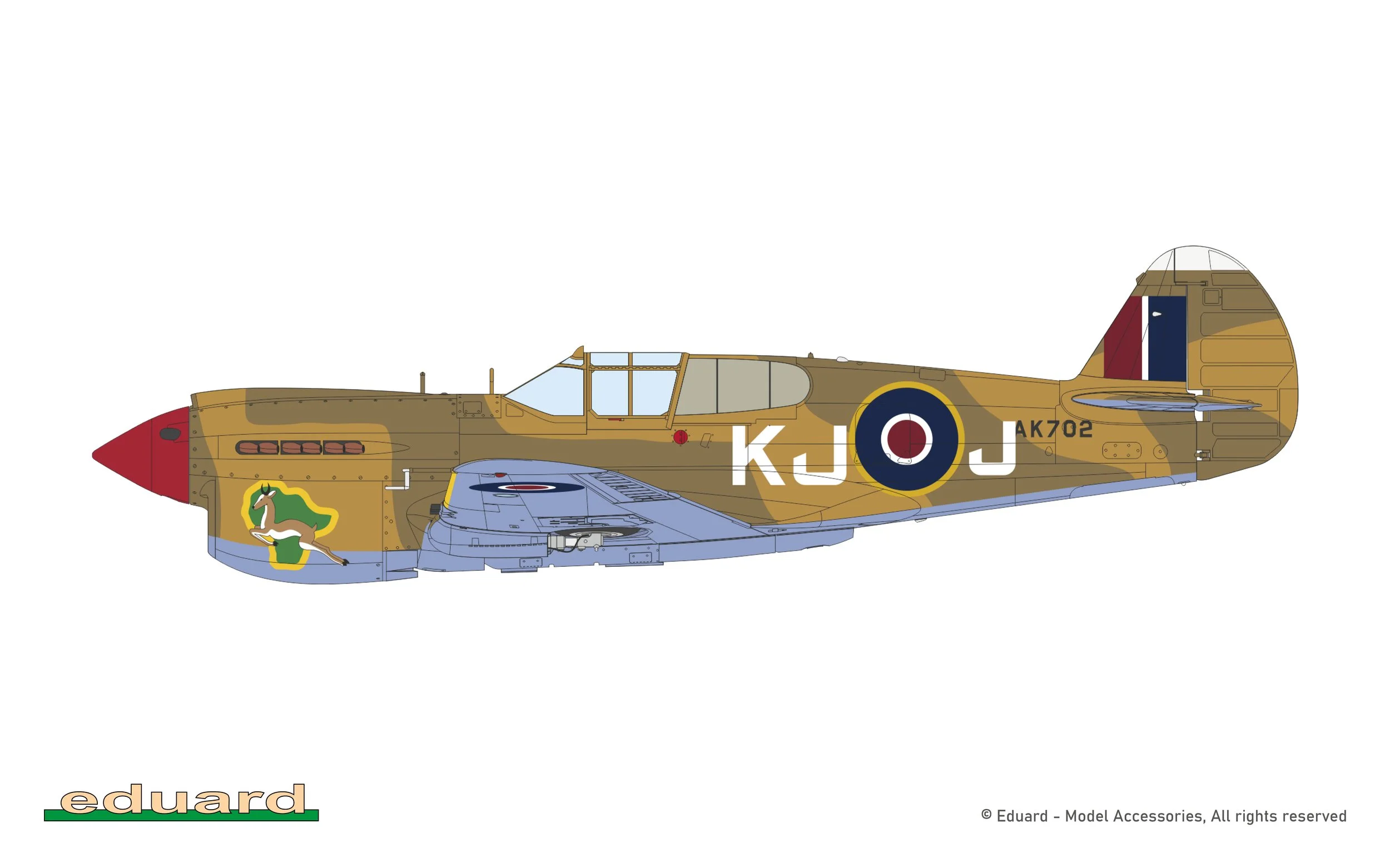
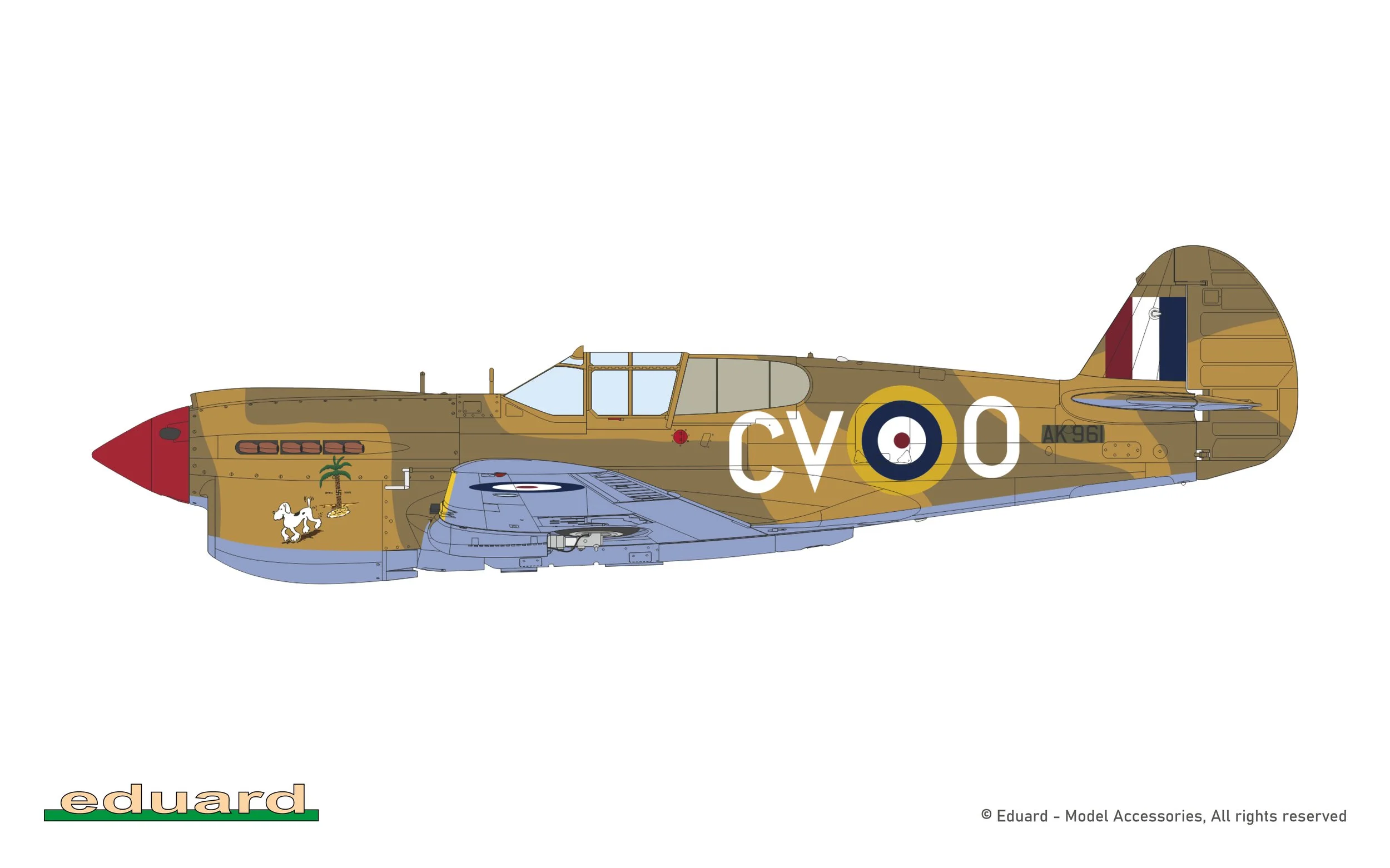
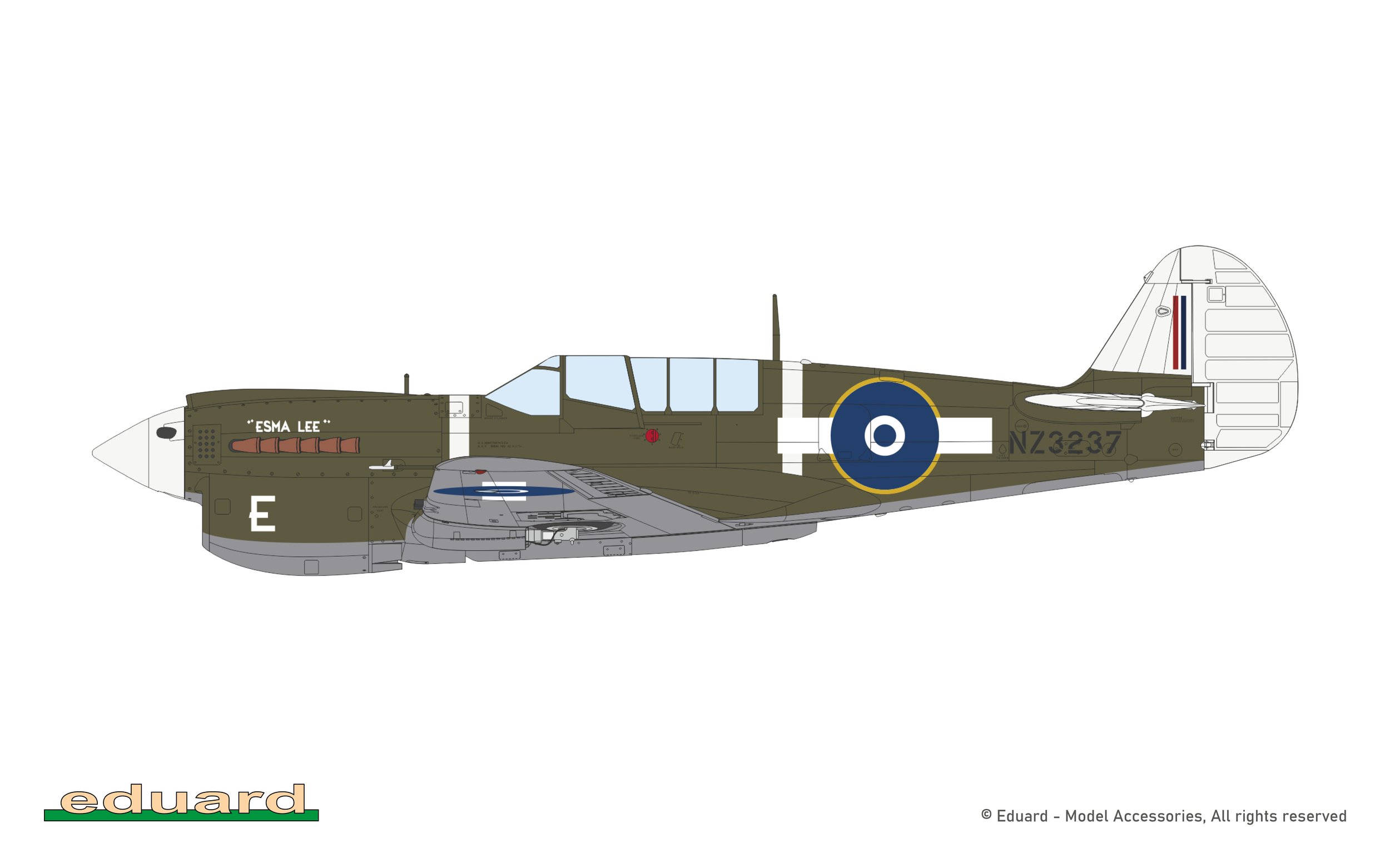
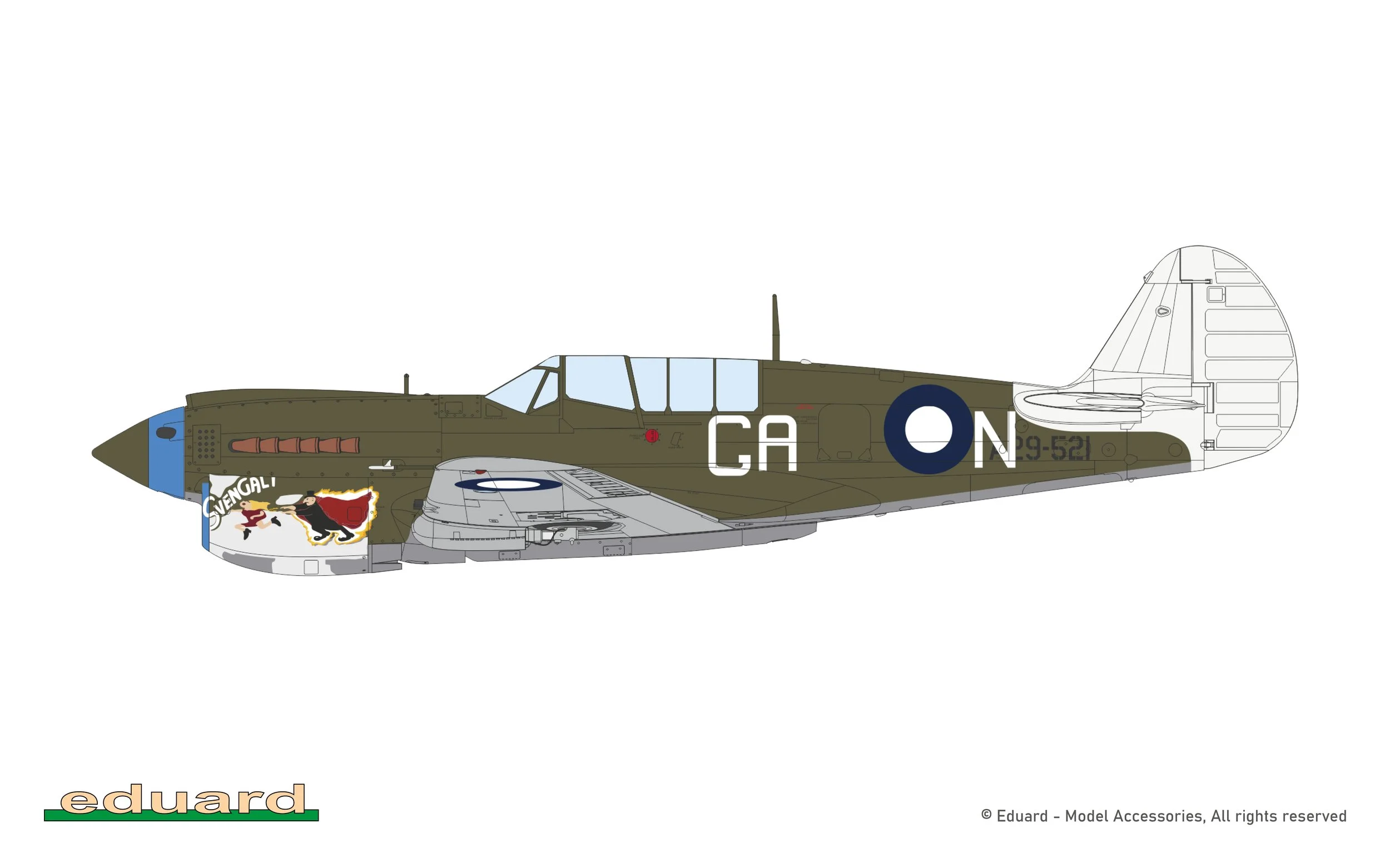
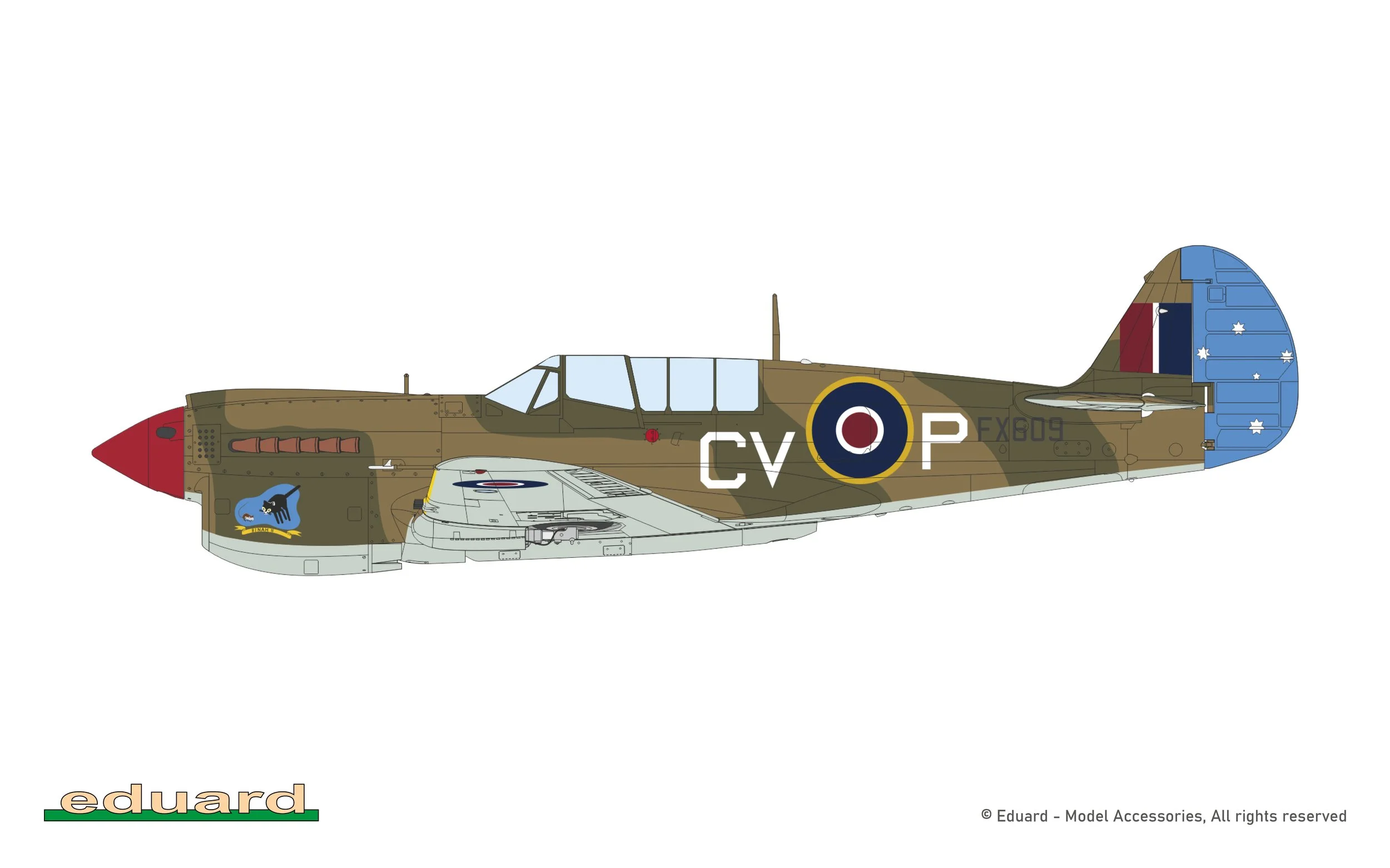
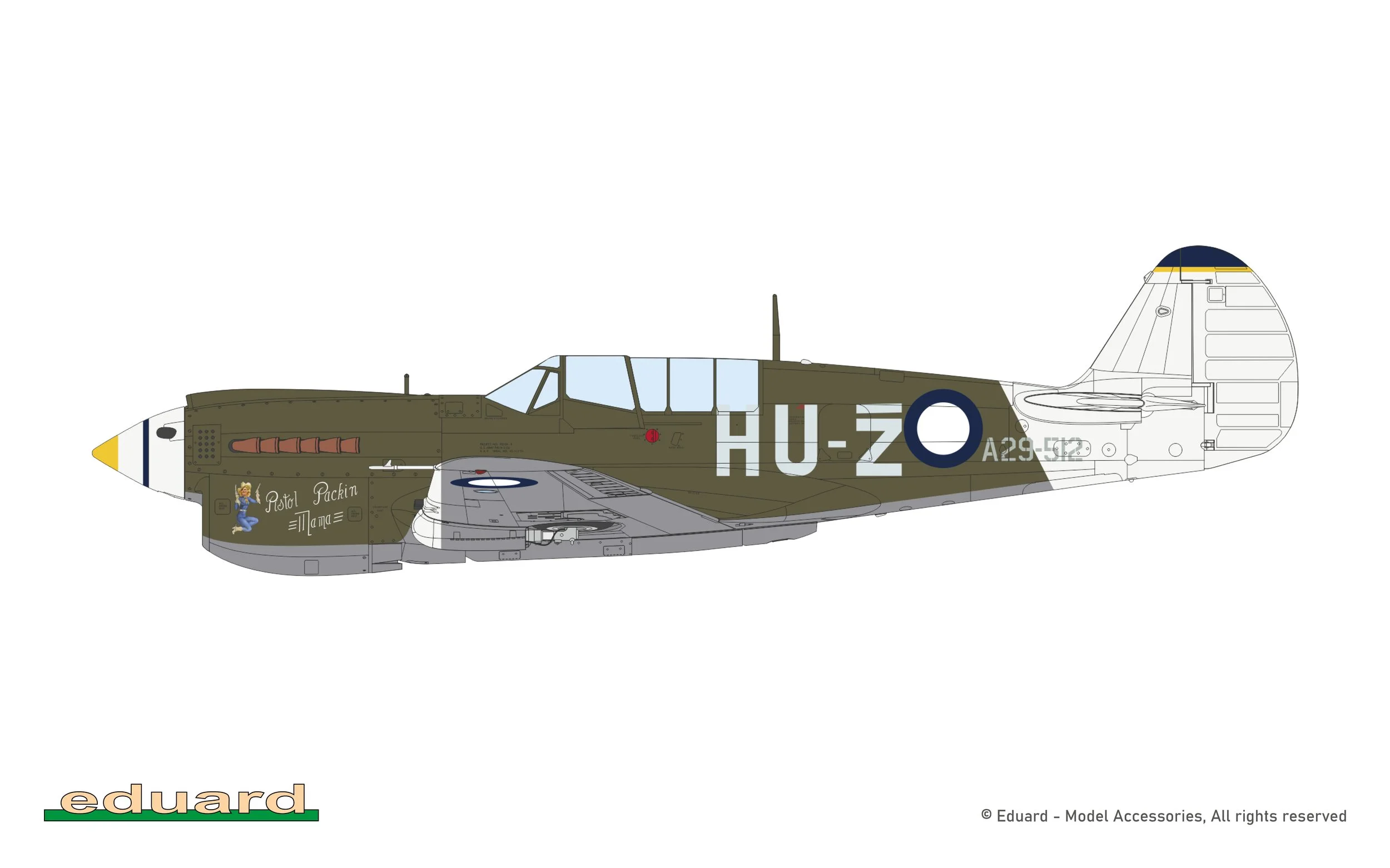
The Weekend Edition release presents the MiG‑21PFM, a fourth‑generation Soviet supersonic fighter, in 1/48 scale. This kit includes markings for four aircraft from the air forces of Vietnam, Czechoslovakia, Iraq, and the Soviet Union. As a Weekend Edition boxing, it features Eduard’s plastic sprues without photo‑etch, masks, or resin accessories, offering a straightforward and enjoyable build.
Edition: Weekend
Sprues: Eduard
Photo‑etch: No
Masks: No
Brassin: No
Marking options: 4
Marking Options
Le Thanh Dao, 927th Fighter Regiment, Lam Son Air Base, Democratic Republic of Vietnam, May 1972
3rd Flight, 11th Fighter Air Regiment, Czechoslovak Air Force, Žatec Air Base, 1987–1991
No. 9 Squadron, Iraqi Air Force, Saddám Air Base, Iraq, 1973
299th Soviet Navy fighter‑bomber unit, Saki Airfield, Crimea, Soviet Union, 1980–1989
History
The Mikoyan‑Gurevich MiG‑21 (NATO reporting name: Fishbed) is a lightweight Soviet fighter aircraft built around a duralumin semi‑monocoque structure with a mid‑mounted delta wing swept at 57 degrees. Its prototype, the E‑5 powered by the RD‑11 engine, first flew on 16 June 1956. Several experimental variants followed, many of which set international speed records. These developments led to the first mass‑produced version, the MiG‑21F‑13, entering service in 1959.
Over the decades, more than a dozen major variants—and dozens of sub‑variants—were produced. Key developments included the MiG‑21PF with the RP‑21 radar, the improved MiG‑21PFM, the reconnaissance‑focused MiG‑21R, and multiple two‑seat trainers beginning with the MiG‑21U‑400.
The MiG‑21 became one of the most successful jet fighters ever built: fast, agile, relatively simple to maintain, and inexpensive to produce. Its longevity is remarkable—modernised versions were still in service well into the 1990s, more than 30 years after the type first flew.
Exported widely across the Warsaw Pact, the Middle East, Africa, and Asia, the MiG‑21 saw extensive combat service. It featured prominently in conflicts such as the Vietnam War, the Six‑Day War (1967), and the Iran‑Iraq War (1980–1988).
Technical data:
Length: 13.46 m
Wingspan: 7.15 m
Height: 4.1 m
Maximum speed: 2,130 km/h
Rate of climb: 120 m/s
Range: 1,100 km
Service ceiling: 19,000 m
Armament: one 23 mm GSh‑23 cannon (MiG‑21M and later), plus up to 2,000 kg of external stores
The Weekend Edition release presents the MiG‑21PFM, a fourth‑generation Soviet supersonic fighter, in 1/48 scale. This kit includes markings for four aircraft from the air forces of Vietnam, Czechoslovakia, Iraq, and the Soviet Union. As a Weekend Edition boxing, it features Eduard’s plastic sprues without photo‑etch, masks, or resin accessories, offering a straightforward and enjoyable build.
Edition: Weekend
Sprues: Eduard
Photo‑etch: No
Masks: No
Brassin: No
Marking options: 4
Marking Options
Le Thanh Dao, 927th Fighter Regiment, Lam Son Air Base, Democratic Republic of Vietnam, May 1972
3rd Flight, 11th Fighter Air Regiment, Czechoslovak Air Force, Žatec Air Base, 1987–1991
No. 9 Squadron, Iraqi Air Force, Saddám Air Base, Iraq, 1973
299th Soviet Navy fighter‑bomber unit, Saki Airfield, Crimea, Soviet Union, 1980–1989
History
The Mikoyan‑Gurevich MiG‑21 (NATO reporting name: Fishbed) is a lightweight Soviet fighter aircraft built around a duralumin semi‑monocoque structure with a mid‑mounted delta wing swept at 57 degrees. Its prototype, the E‑5 powered by the RD‑11 engine, first flew on 16 June 1956. Several experimental variants followed, many of which set international speed records. These developments led to the first mass‑produced version, the MiG‑21F‑13, entering service in 1959.
Over the decades, more than a dozen major variants—and dozens of sub‑variants—were produced. Key developments included the MiG‑21PF with the RP‑21 radar, the improved MiG‑21PFM, the reconnaissance‑focused MiG‑21R, and multiple two‑seat trainers beginning with the MiG‑21U‑400.
The MiG‑21 became one of the most successful jet fighters ever built: fast, agile, relatively simple to maintain, and inexpensive to produce. Its longevity is remarkable—modernised versions were still in service well into the 1990s, more than 30 years after the type first flew.
Exported widely across the Warsaw Pact, the Middle East, Africa, and Asia, the MiG‑21 saw extensive combat service. It featured prominently in conflicts such as the Vietnam War, the Six‑Day War (1967), and the Iran‑Iraq War (1980–1988).
Technical data:
Length: 13.46 m
Wingspan: 7.15 m
Height: 4.1 m
Maximum speed: 2,130 km/h
Rate of climb: 120 m/s
Range: 1,100 km
Service ceiling: 19,000 m
Armament: one 23 mm GSh‑23 cannon (MiG‑21M and later), plus up to 2,000 kg of external stores

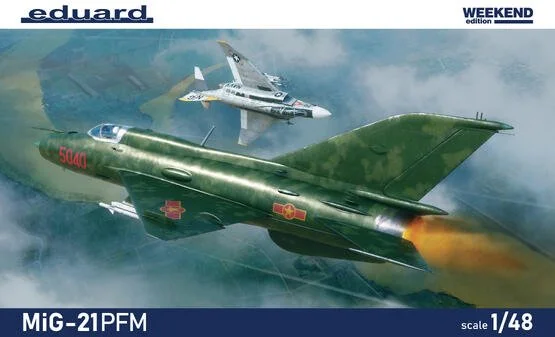 Image 1 of 15
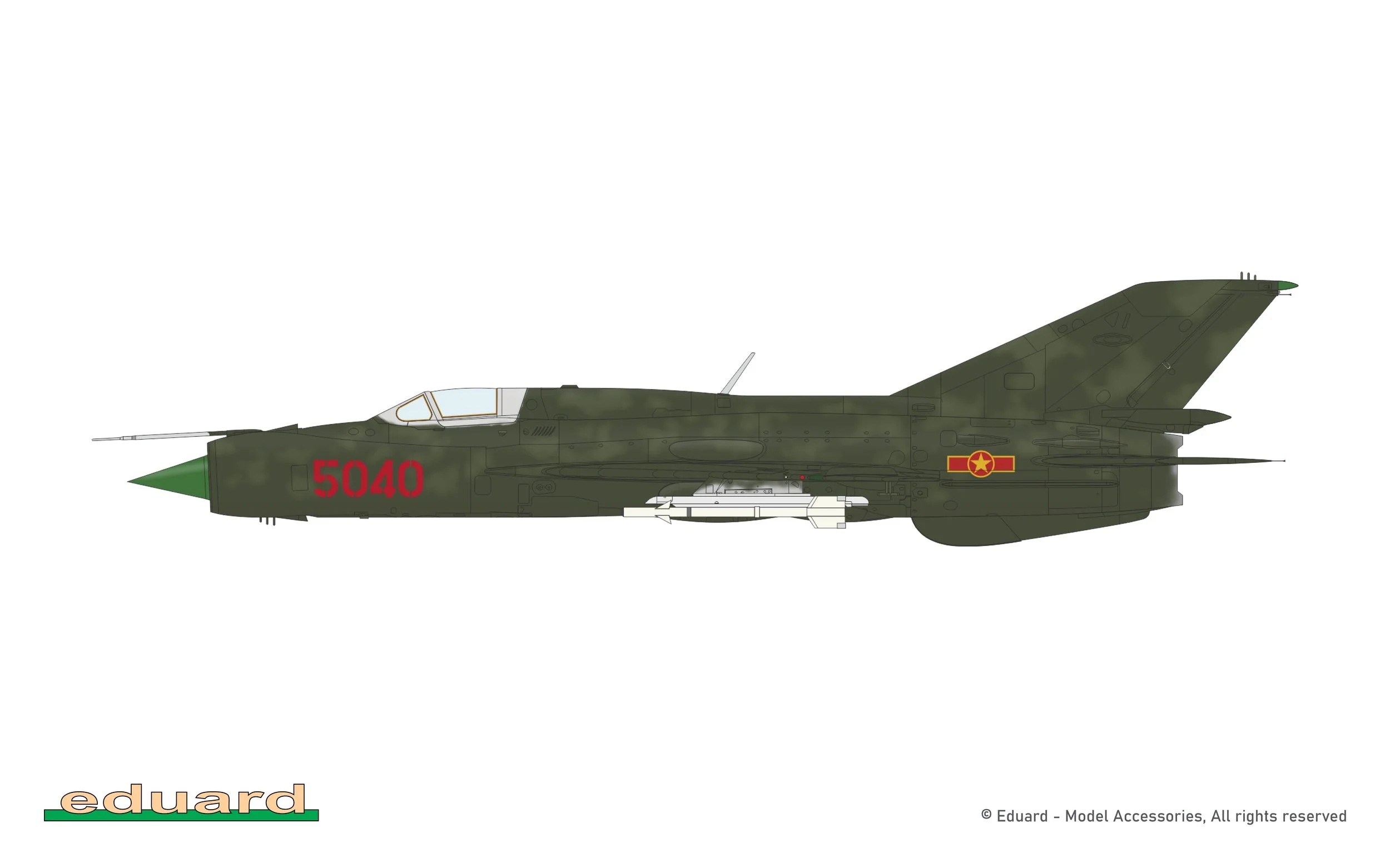 Image 2 of 15
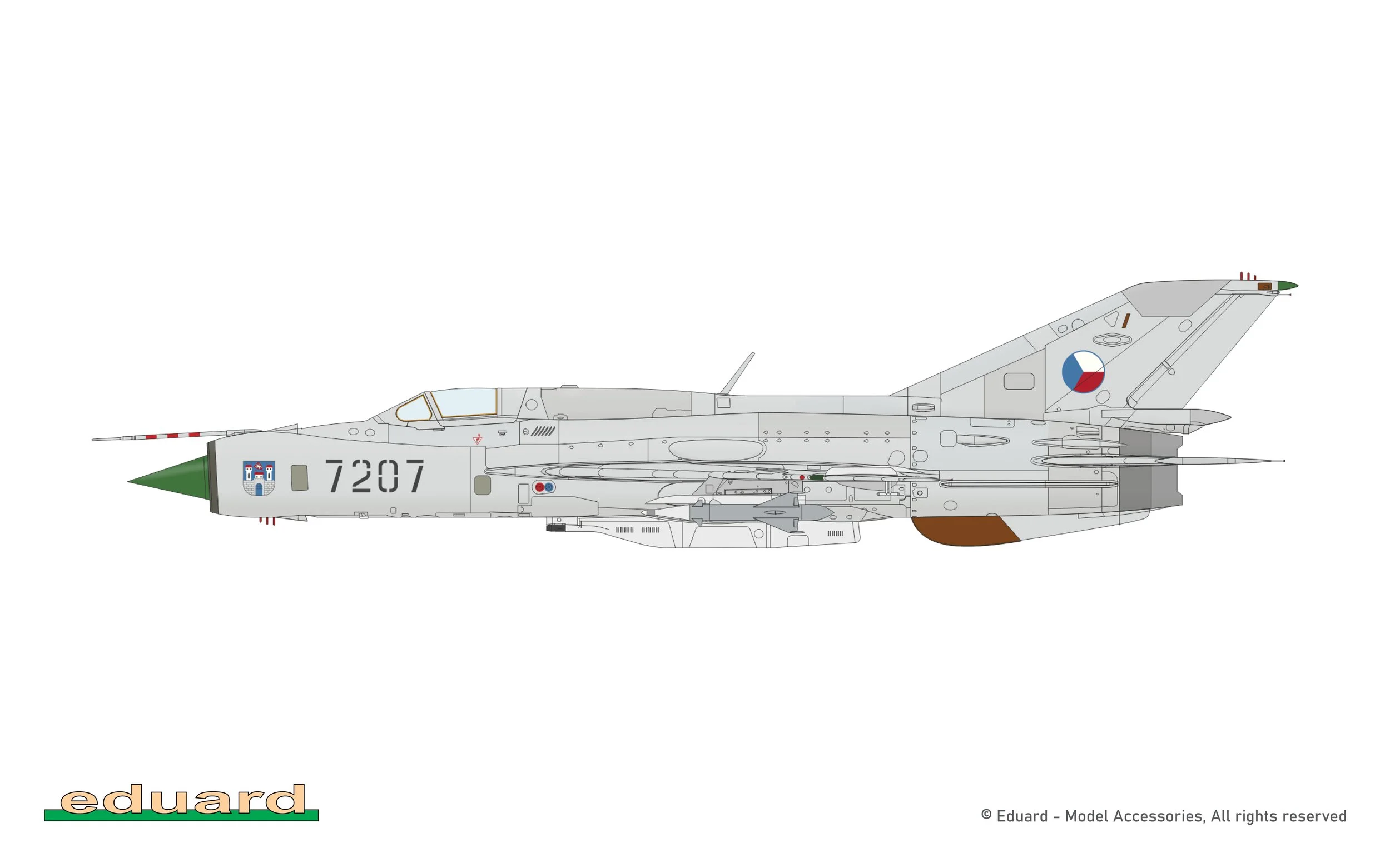 Image 3 of 15
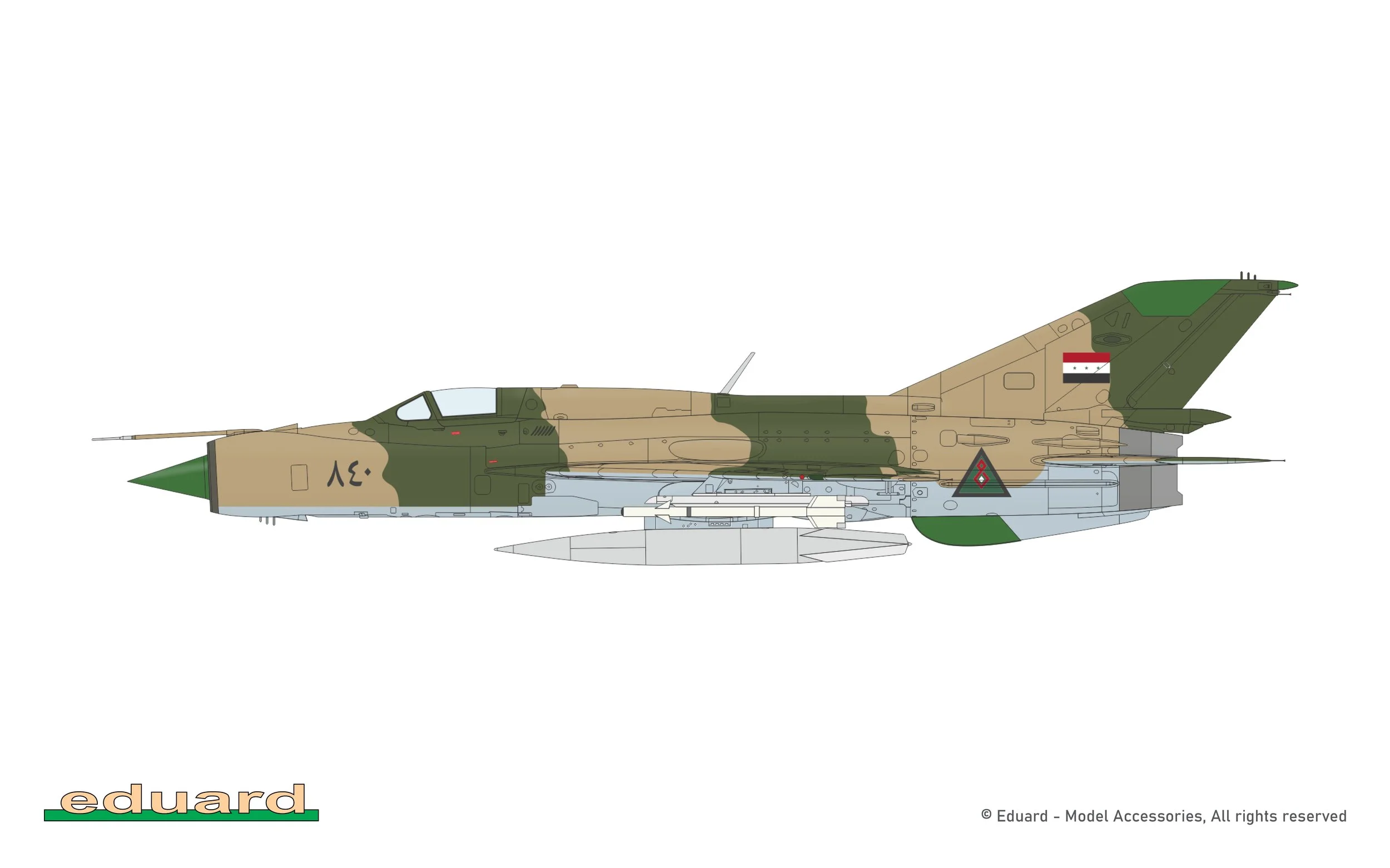 Image 4 of 15
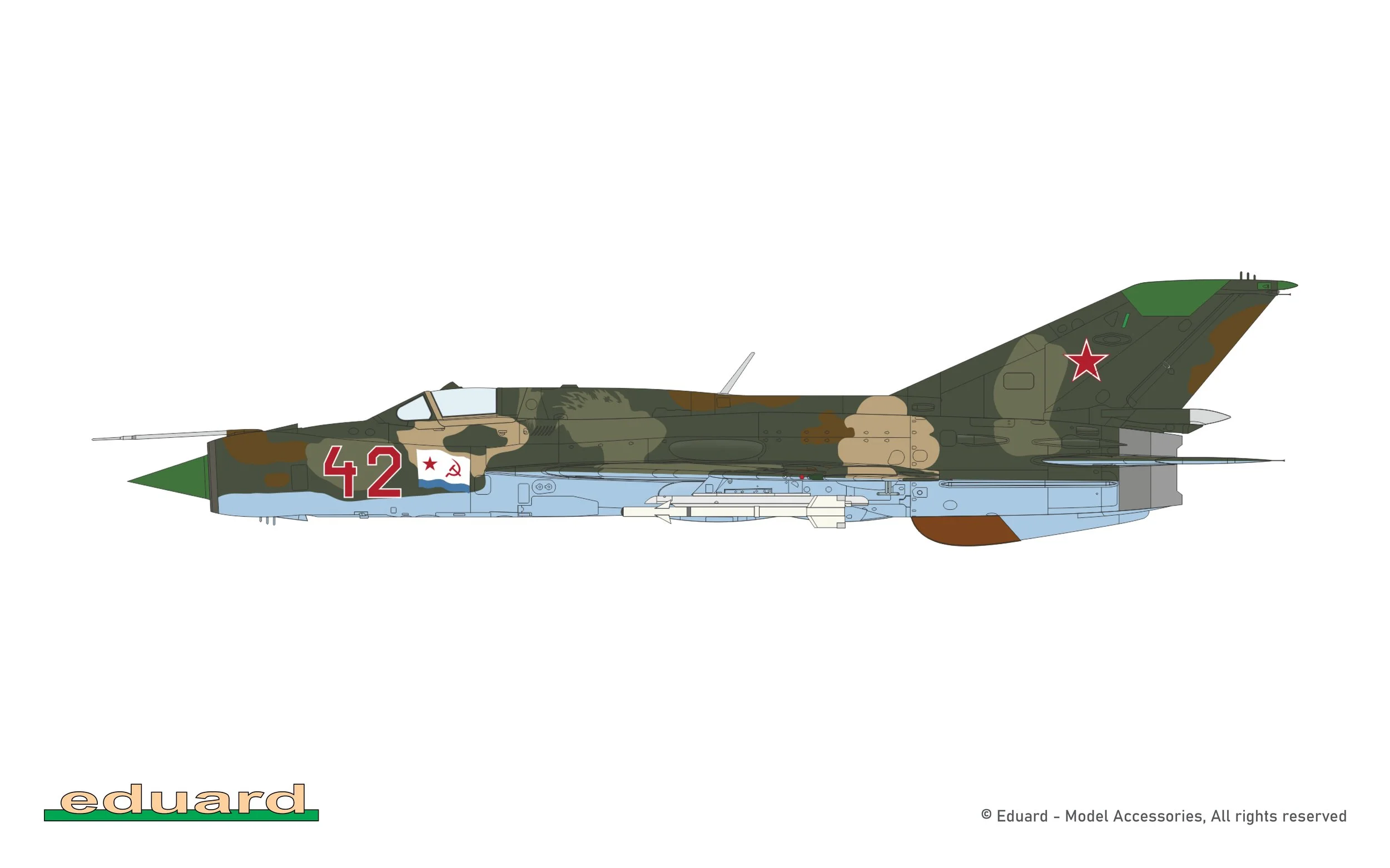 Image 5 of 15
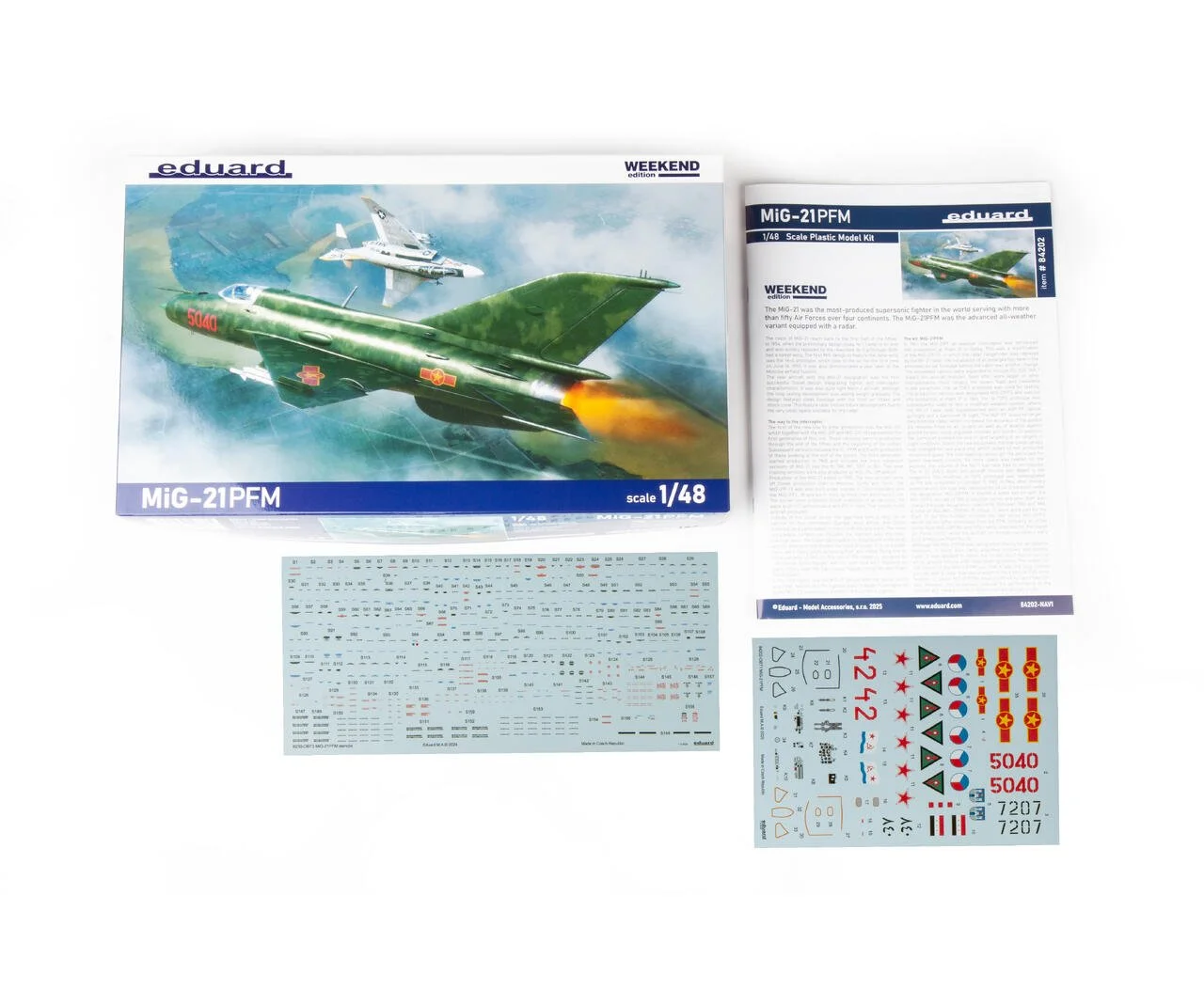 Image 6 of 15
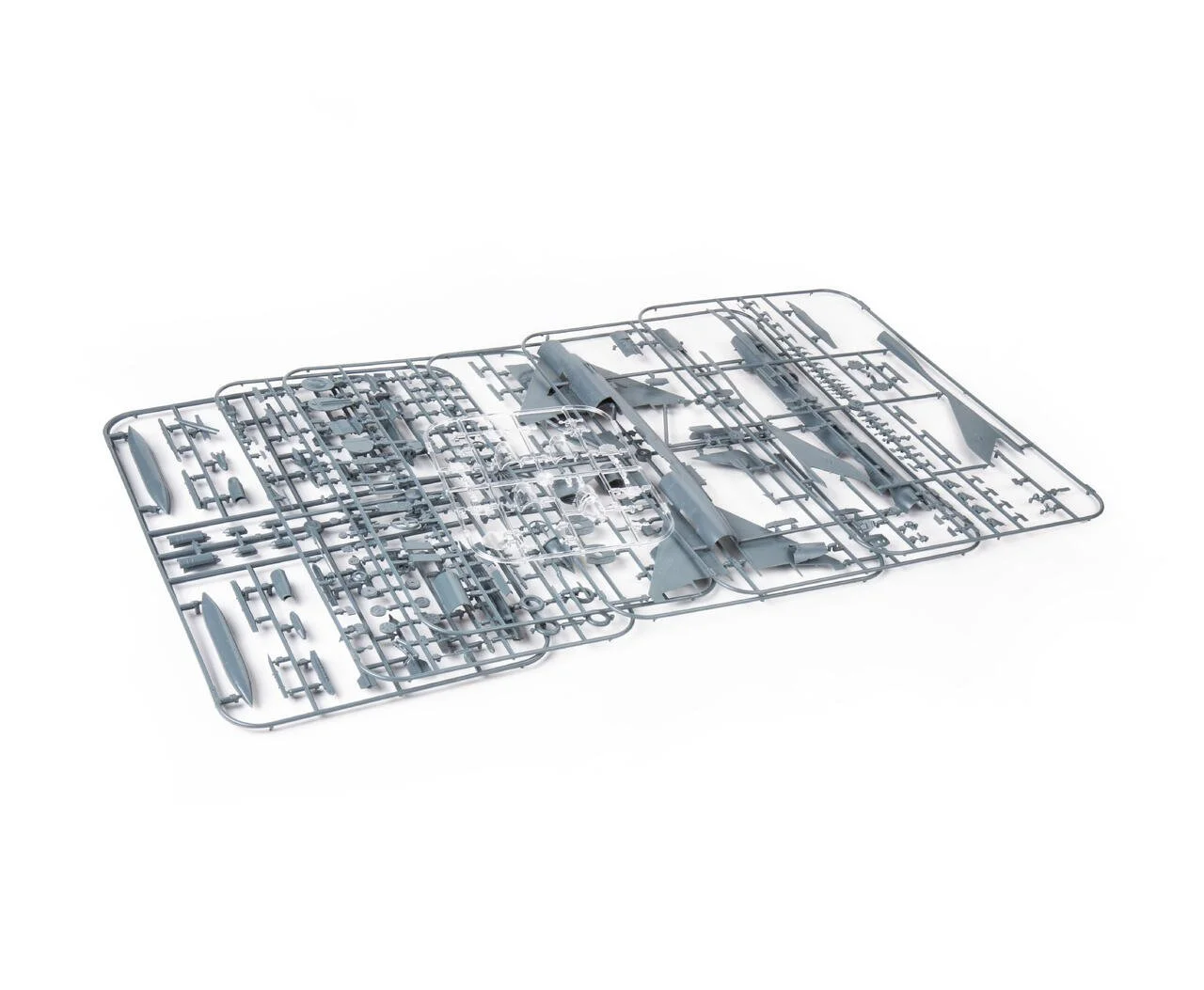 Image 7 of 15
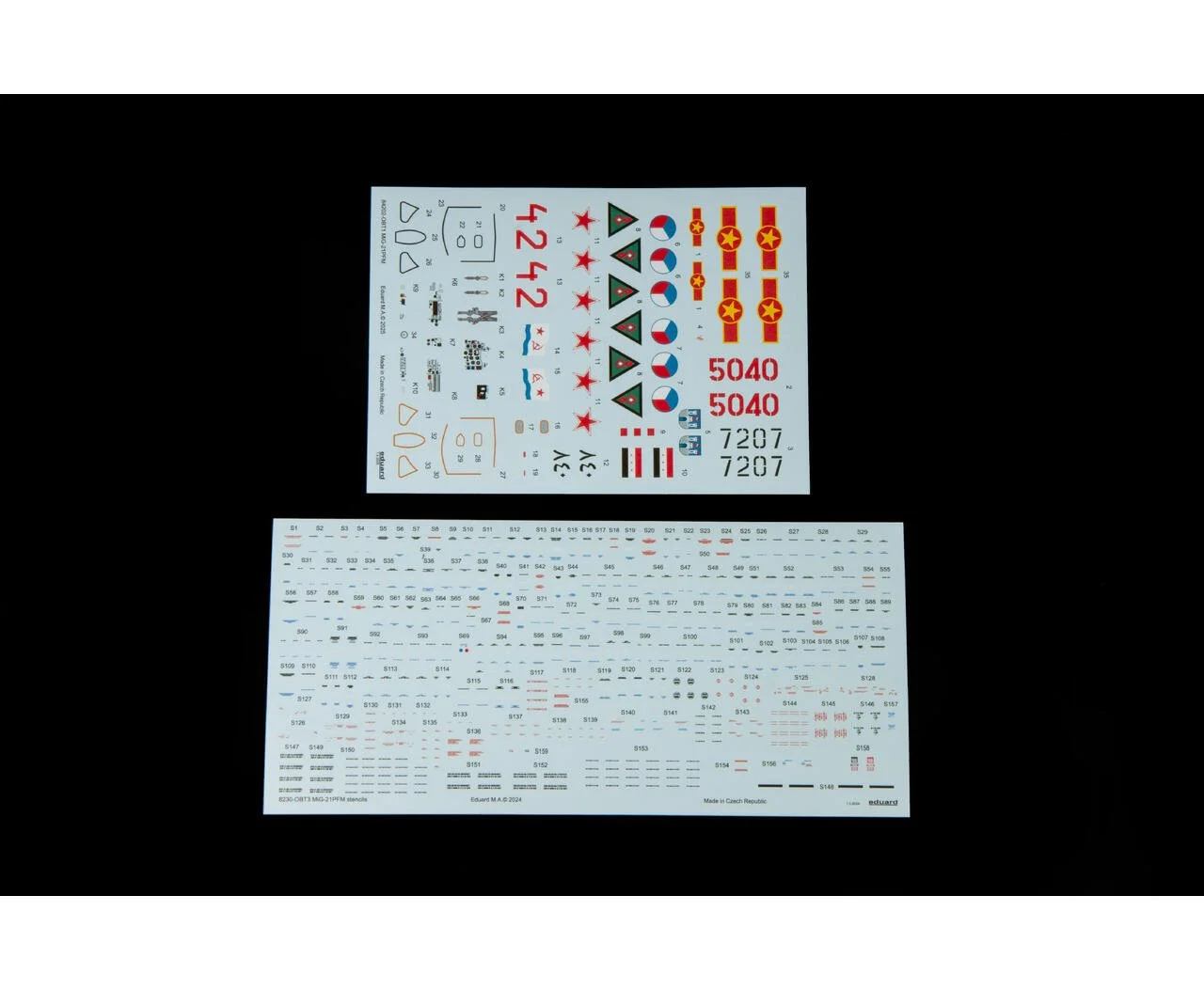 Image 8 of 15
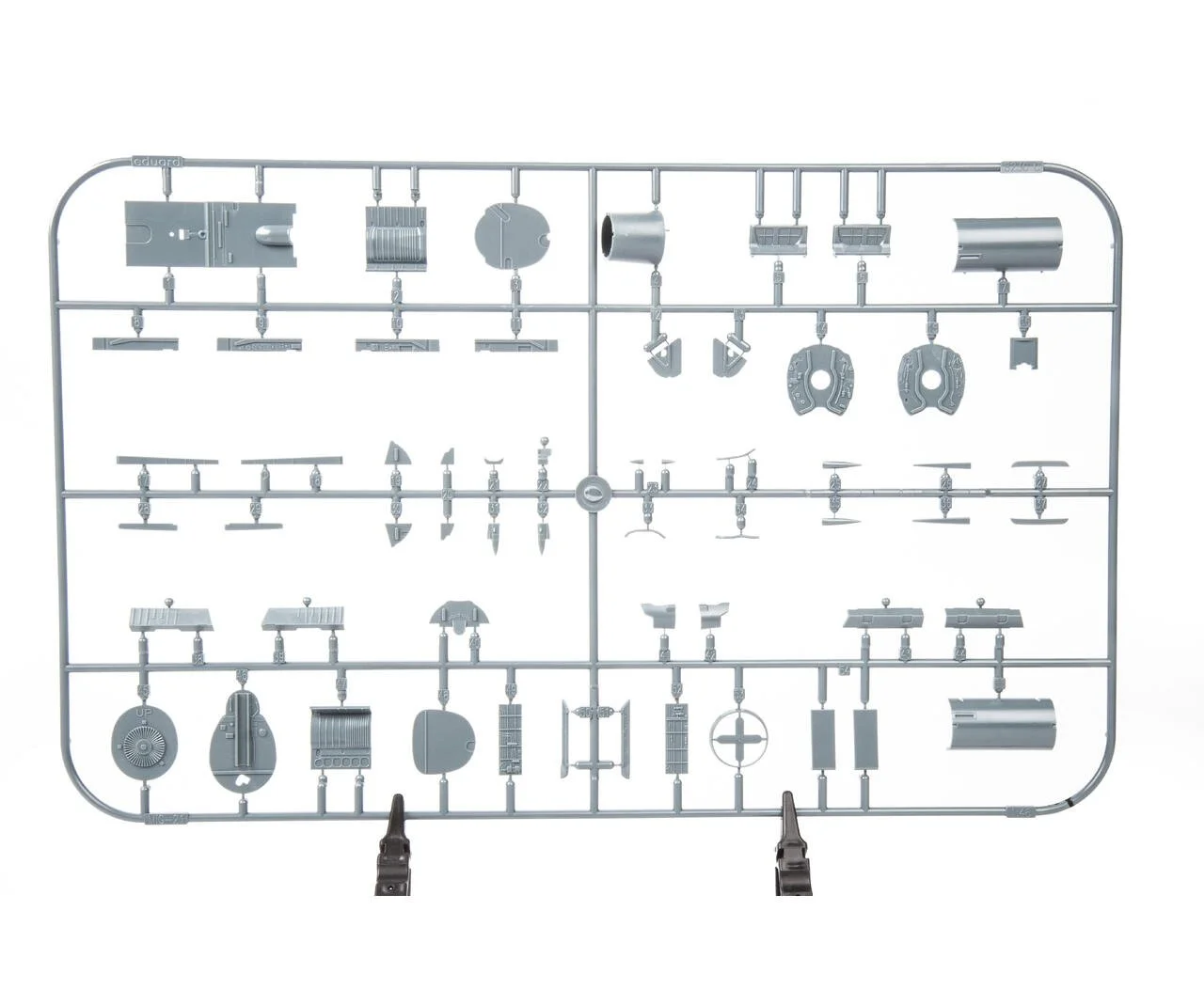 Image 9 of 15
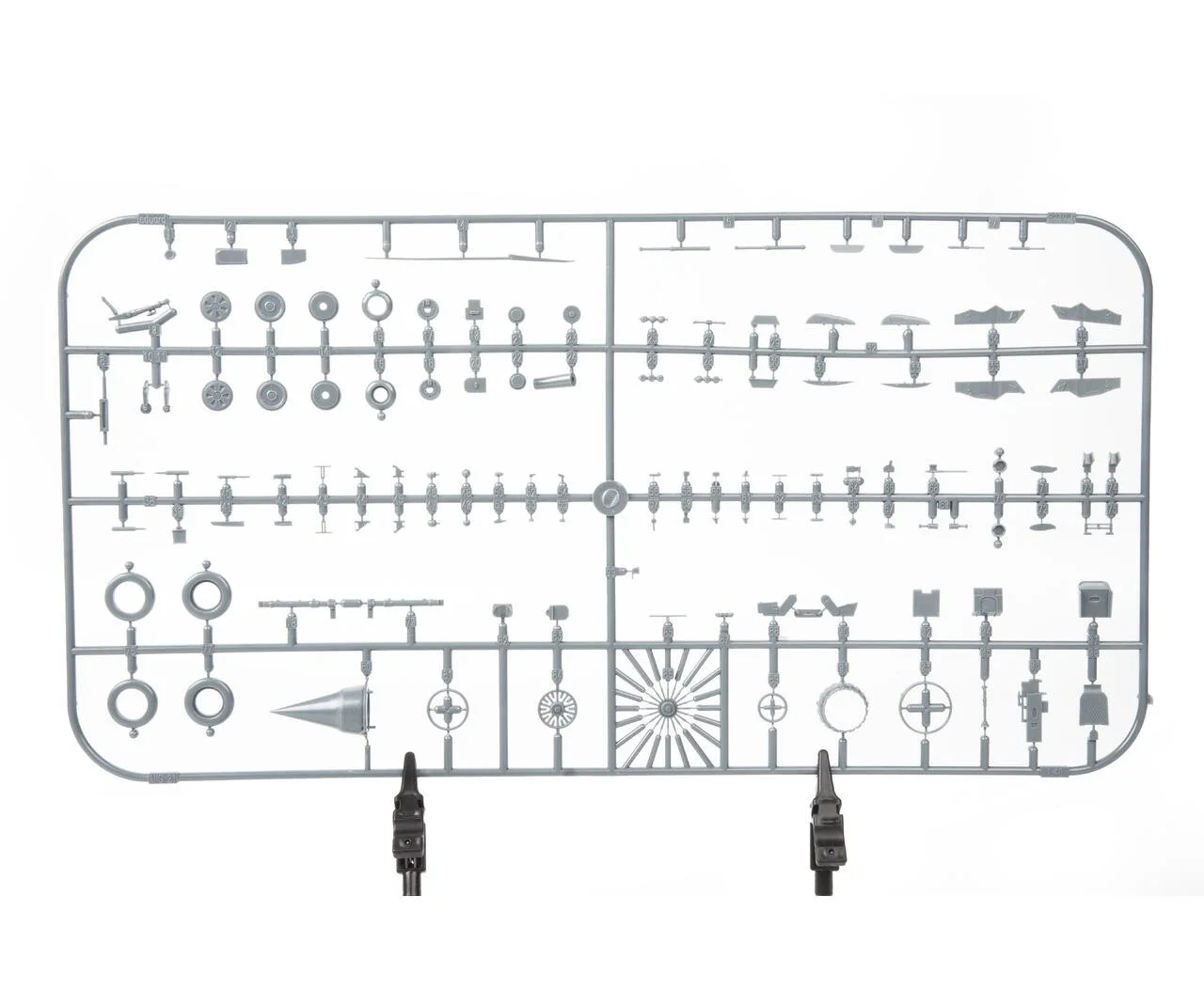 Image 10 of 15
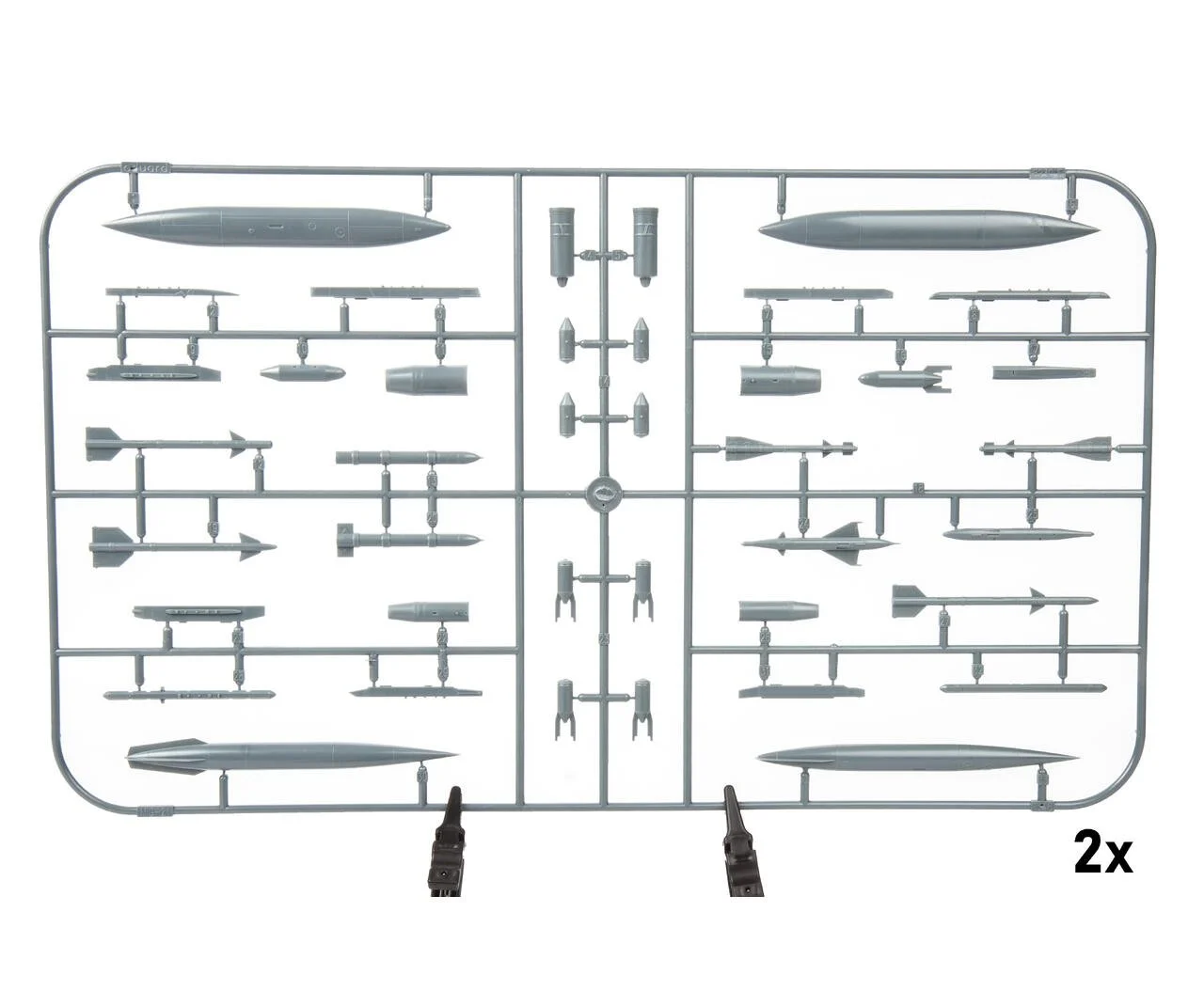 Image 11 of 15
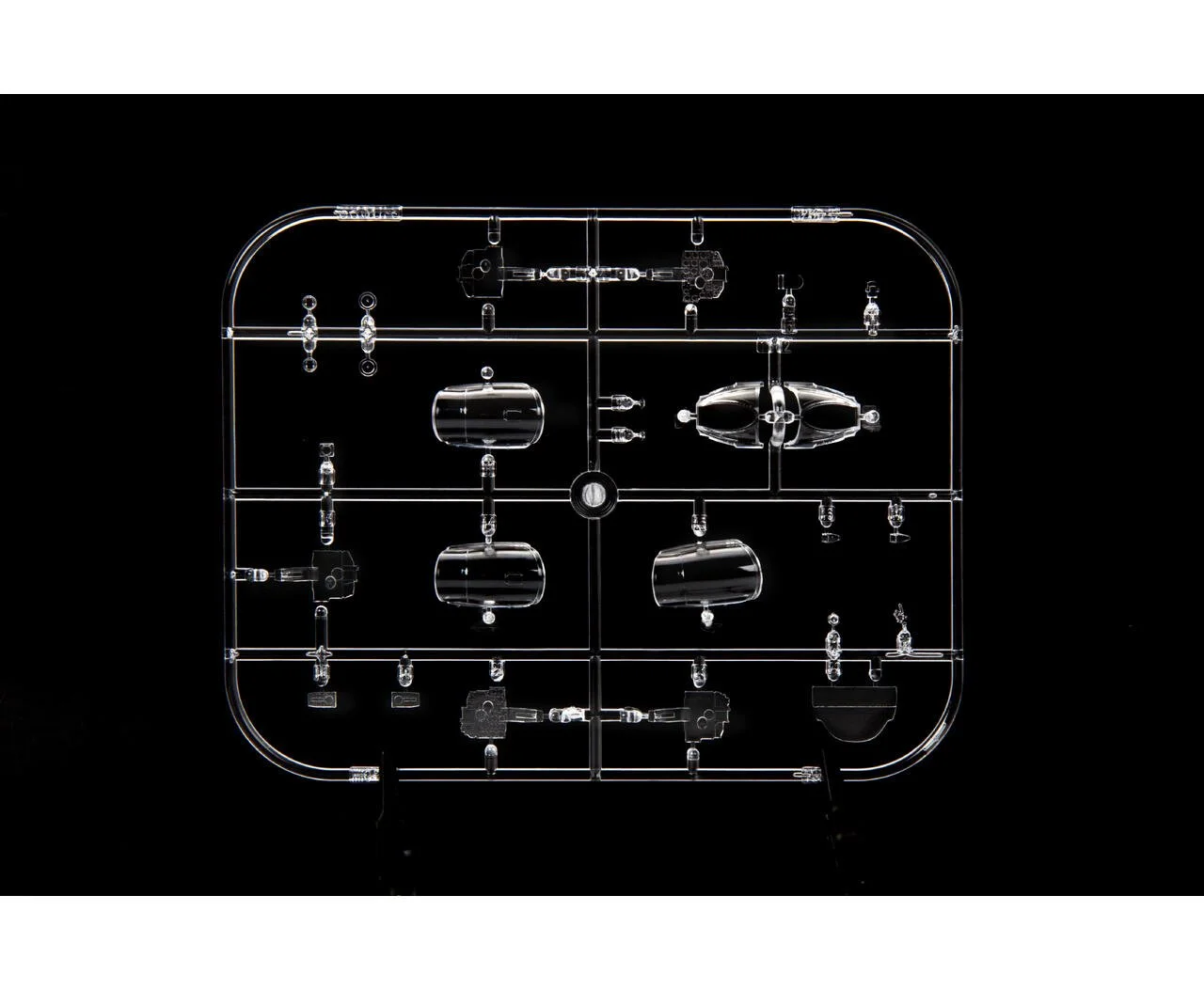 Image 12 of 15
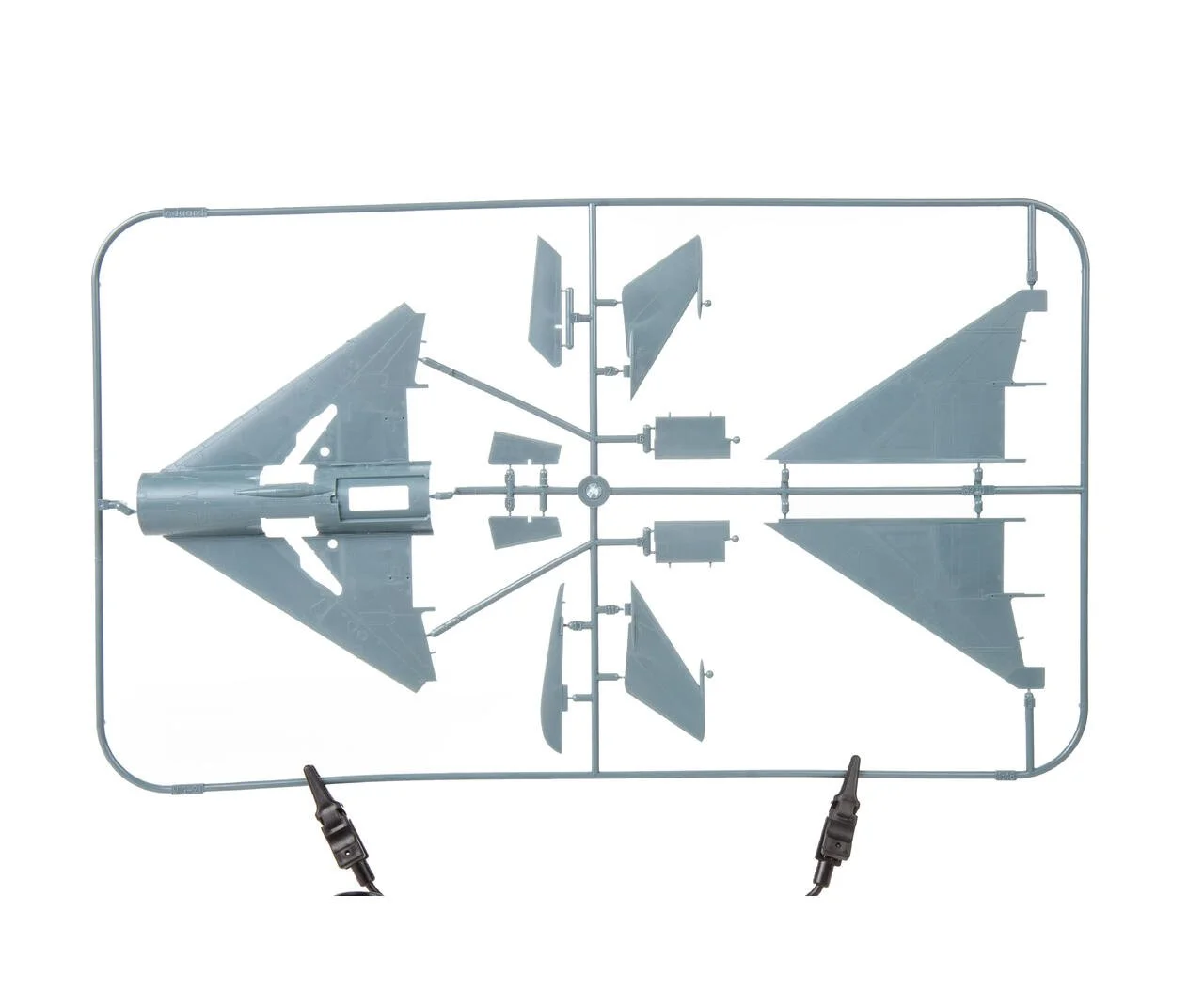 Image 13 of 15
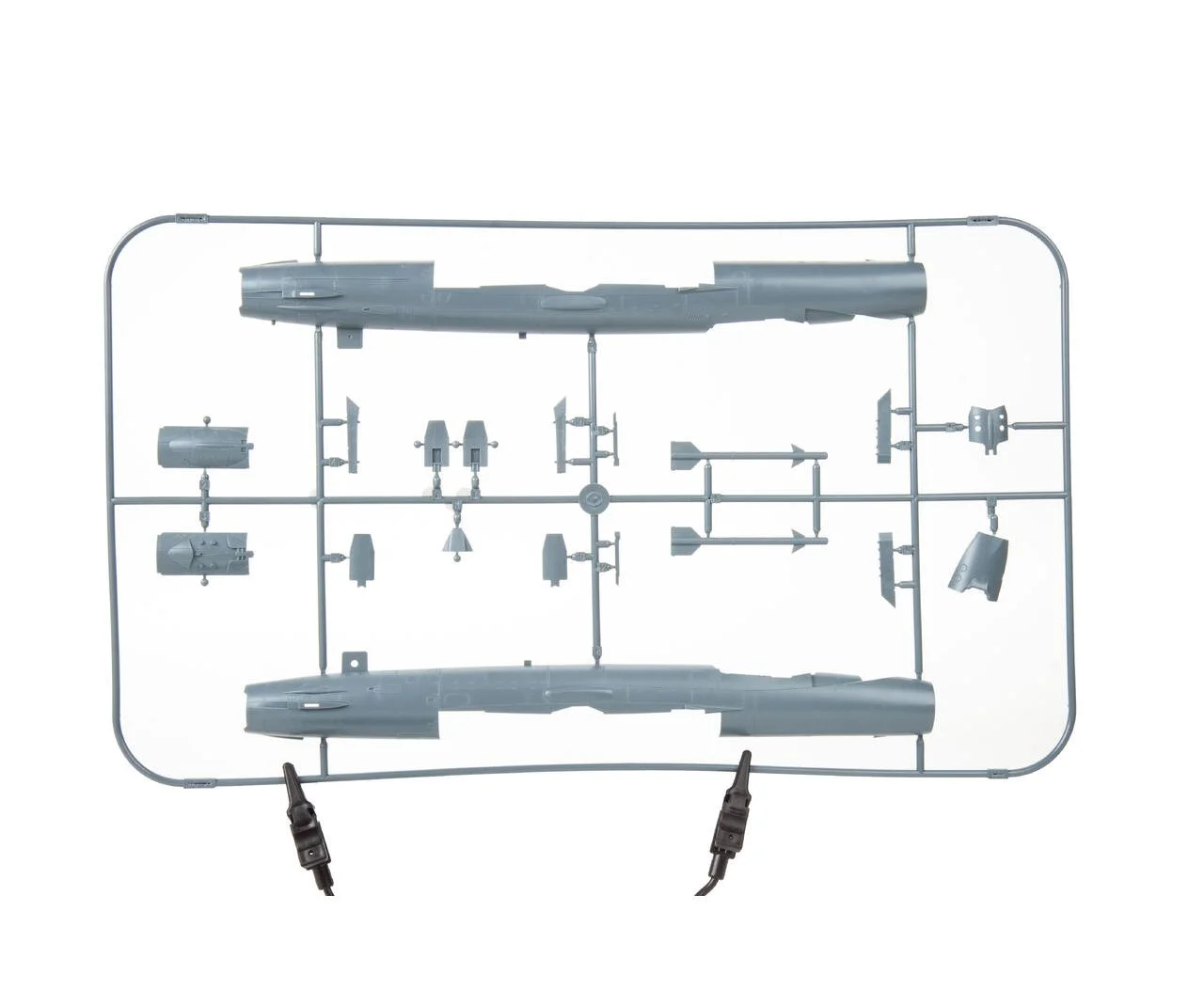 Image 14 of 15
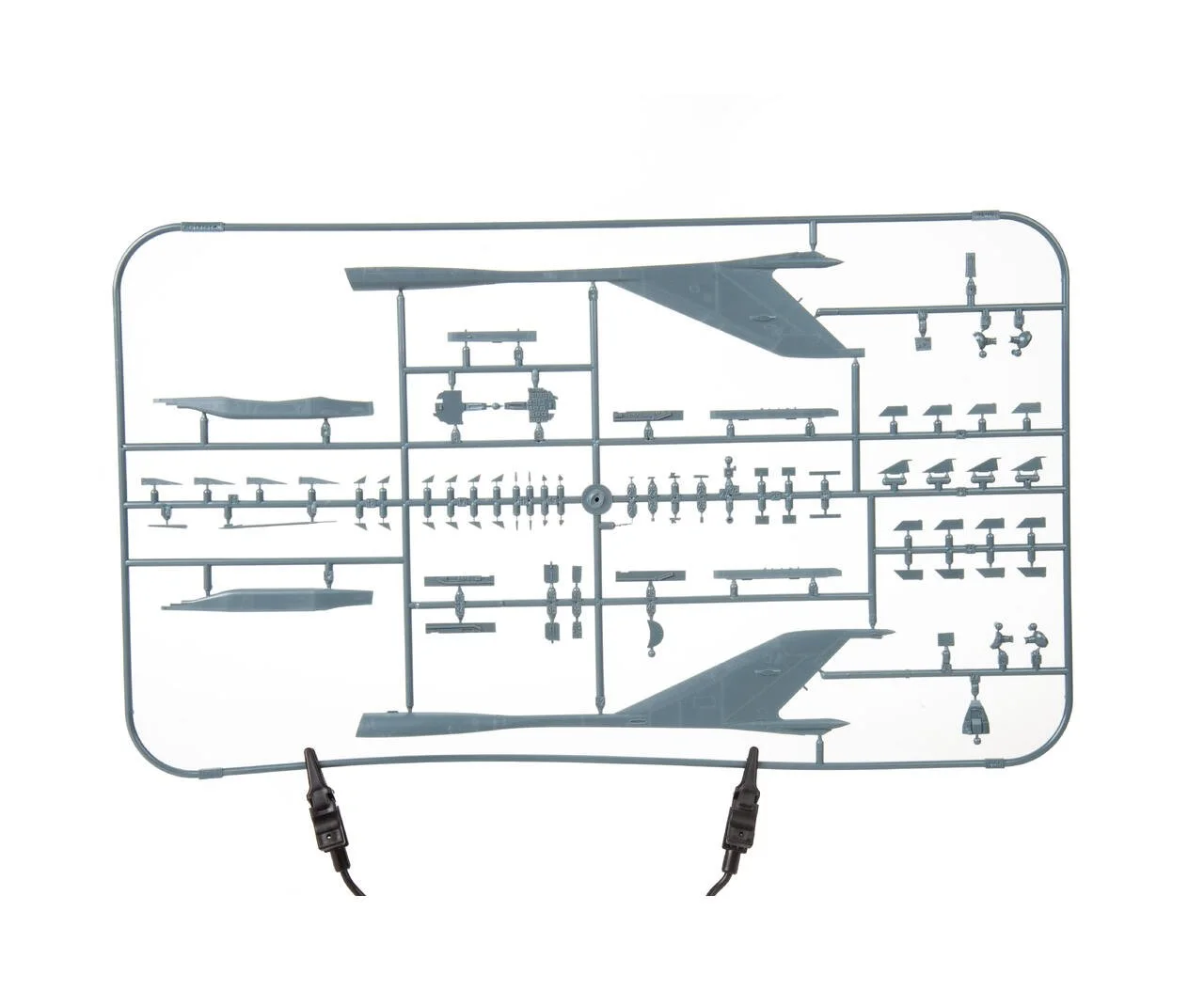 Image 15 of 15