The F‑4K Phantom FG.1 was a uniquely British interpretation of the iconic McDonnell‑Douglas F‑4 Phantom II, engineered from the outset to meet the demanding requirements of Royal Navy carrier aviation. While unmistakably a Phantom in outline, the FG.1 incorporated a host of structural and aerodynamic changes that set it apart from its American cousins.
To cope with the short decks and high‑energy catapult launches of HMS Ark Royal and Eagle, the airframe received a heavily strengthened undercarriage and a distinctive extendable nose‑wheel strut. When deployed, this strut pitched the aircraft upward, allowing the Spey‑powered Phantom to achieve a steeper angle of attack during launch—an essential adaptation for safe operations from British carriers. Power came from Rolls‑Royce Spey turbofan engines, which delivered improved low‑altitude acceleration and better fuel economy, though they required redesigned intakes and altered rear fuselage contours to accommodate their greater airflow demands.
This late‑service configuration represents the aircraft after its transfer from the Royal Navy to the Royal Air Force, a move prompted by the drawdown of fixed‑wing carrier operations. Once in RAF hands, the FG.1 received a series of upgrades, including modernised avionics, revised radar modes, and tactical refinements that kept it competitive in the rapidly evolving air‑defence environment of the 1970s and early 1980s.
Despite the challenges of adapting a naval fighter to land‑based roles, the F‑4K proved itself a formidable interceptor. Its combination of raw Phantom power, British‑specific engineering, and the unmistakable presence of the Spey‑powered variants ensured it remained a favourite among crews. Serving into the 1980s with units such as No. 43 and No. 111 Squadrons, the FG.1 carved out a distinctive chapter in British aviation history—an aircraft defined not by compromise, but by character, capability and sheer visual drama.
The F‑4K Phantom FG.1 was a uniquely British interpretation of the iconic McDonnell‑Douglas F‑4 Phantom II, engineered from the outset to meet the demanding requirements of Royal Navy carrier aviation. While unmistakably a Phantom in outline, the FG.1 incorporated a host of structural and aerodynamic changes that set it apart from its American cousins.
To cope with the short decks and high‑energy catapult launches of HMS Ark Royal and Eagle, the airframe received a heavily strengthened undercarriage and a distinctive extendable nose‑wheel strut. When deployed, this strut pitched the aircraft upward, allowing the Spey‑powered Phantom to achieve a steeper angle of attack during launch—an essential adaptation for safe operations from British carriers. Power came from Rolls‑Royce Spey turbofan engines, which delivered improved low‑altitude acceleration and better fuel economy, though they required redesigned intakes and altered rear fuselage contours to accommodate their greater airflow demands.
This late‑service configuration represents the aircraft after its transfer from the Royal Navy to the Royal Air Force, a move prompted by the drawdown of fixed‑wing carrier operations. Once in RAF hands, the FG.1 received a series of upgrades, including modernised avionics, revised radar modes, and tactical refinements that kept it competitive in the rapidly evolving air‑defence environment of the 1970s and early 1980s.
Despite the challenges of adapting a naval fighter to land‑based roles, the F‑4K proved itself a formidable interceptor. Its combination of raw Phantom power, British‑specific engineering, and the unmistakable presence of the Spey‑powered variants ensured it remained a favourite among crews. Serving into the 1980s with units such as No. 43 and No. 111 Squadrons, the FG.1 carved out a distinctive chapter in British aviation history—an aircraft defined not by compromise, but by character, capability and sheer visual drama.

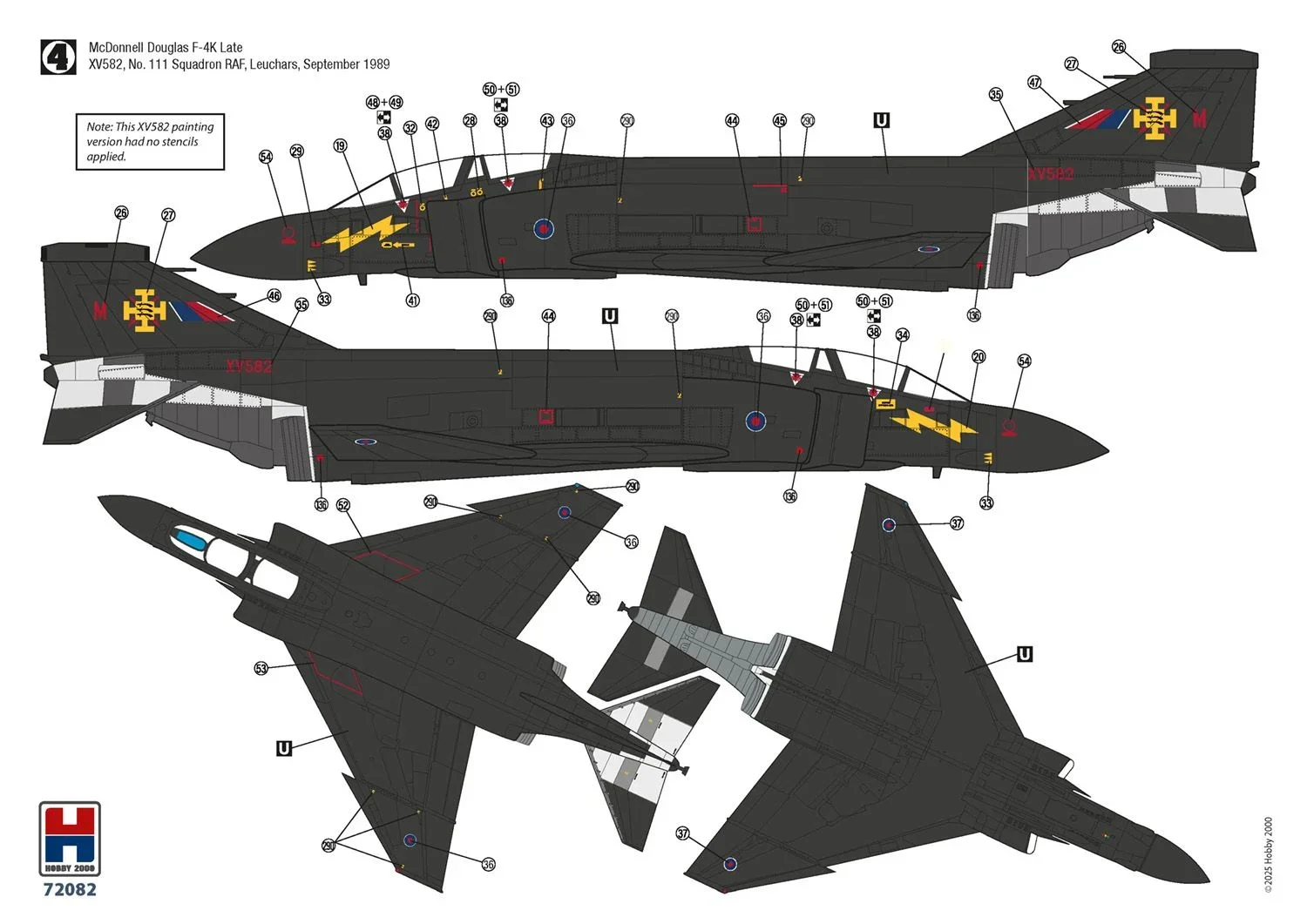 Image 1 of 7
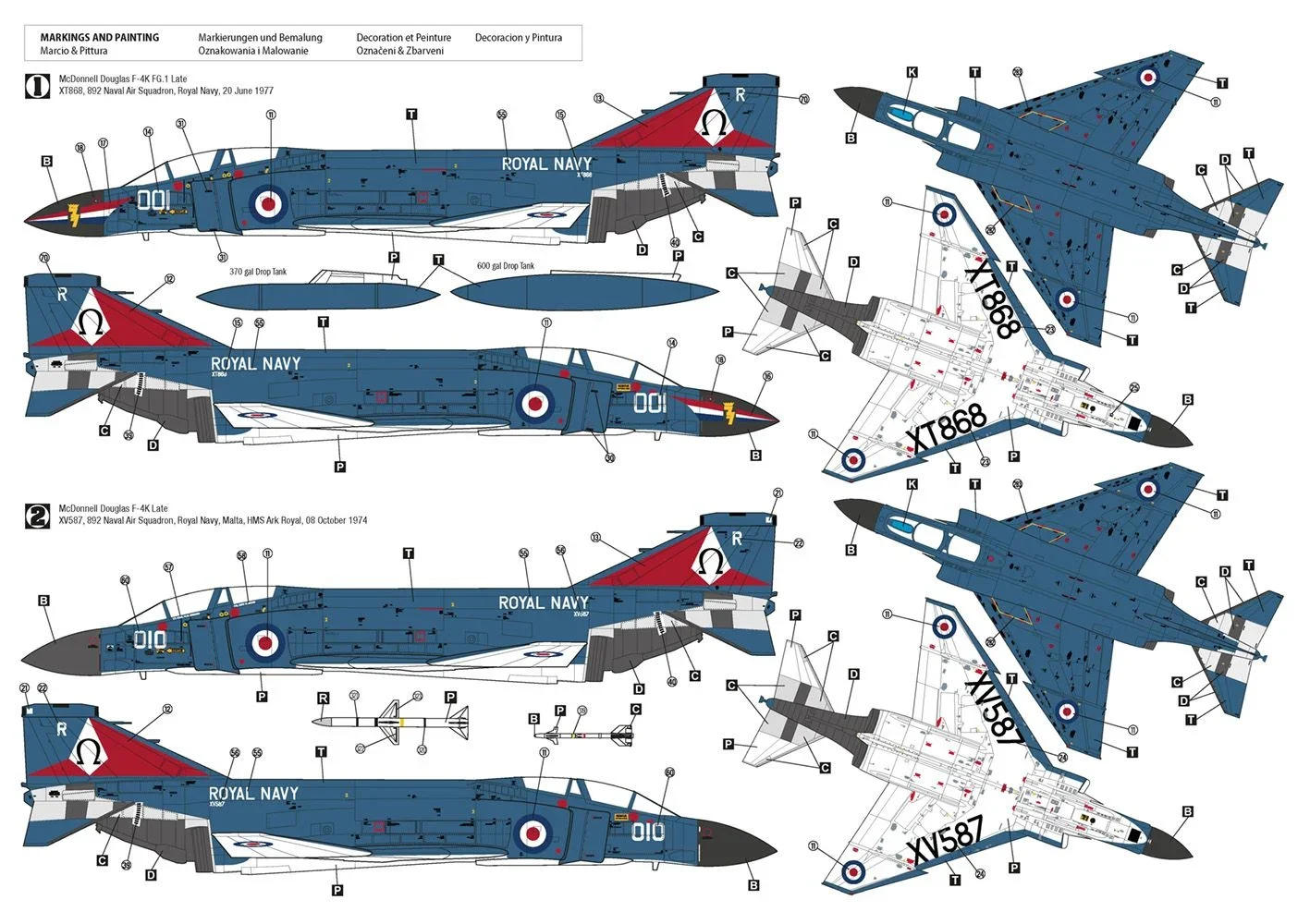 Image 2 of 7
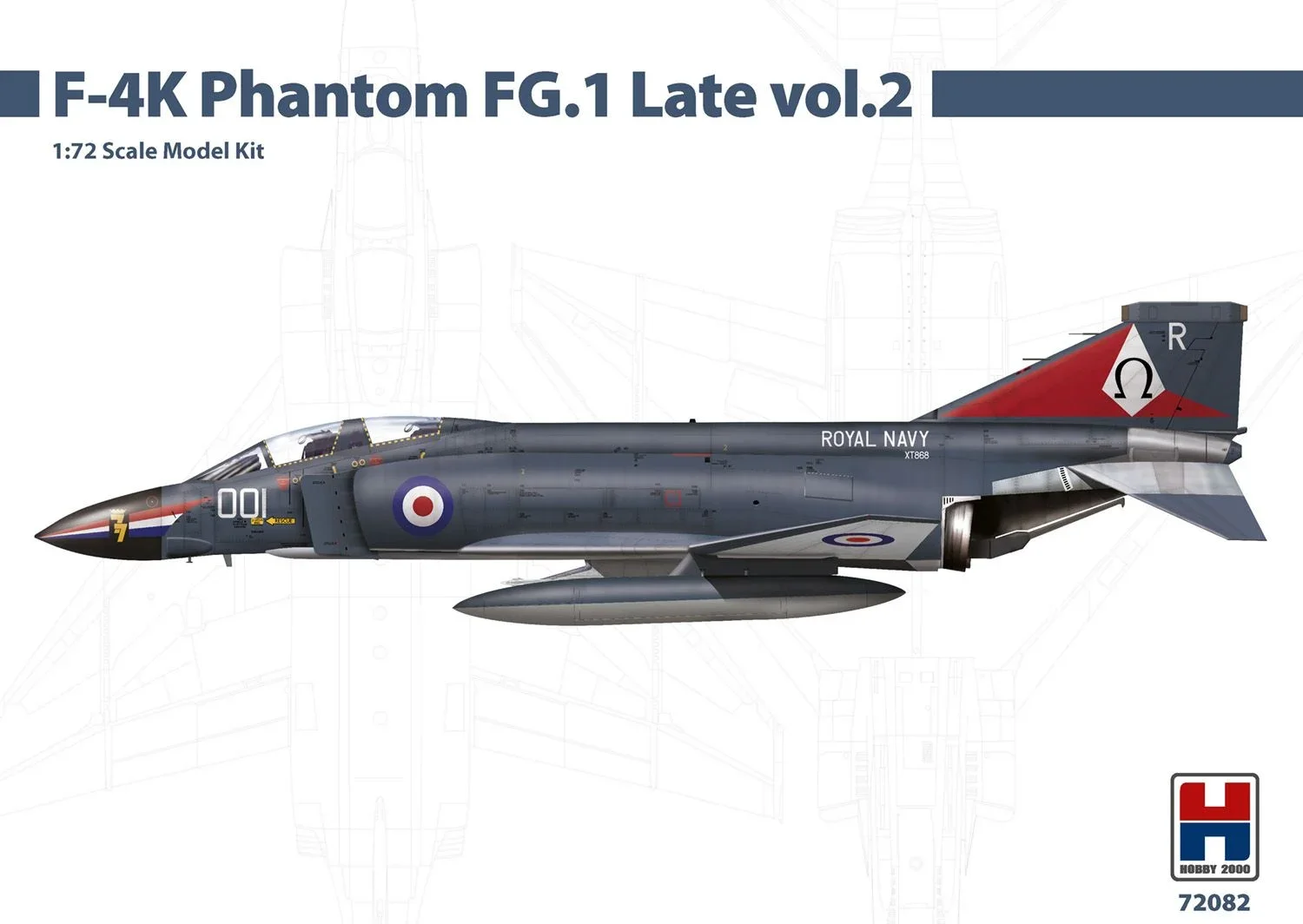 Image 3 of 7
 Image 4 of 7
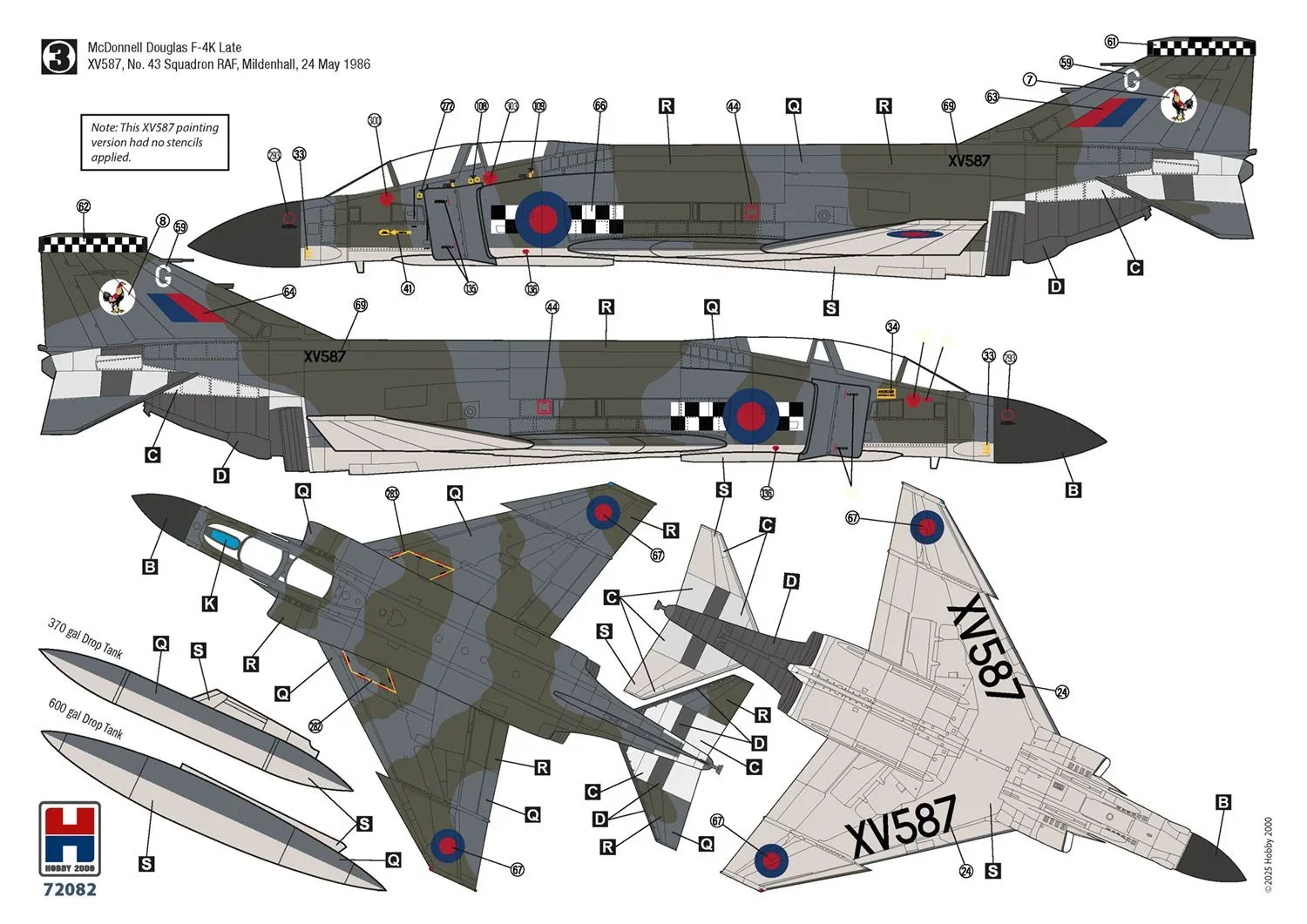 Image 5 of 7
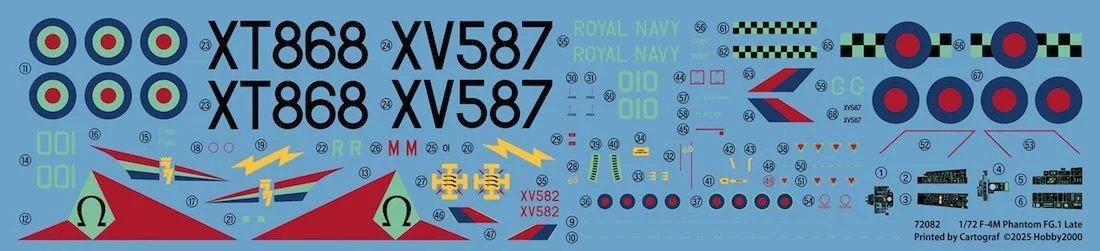 Image 6 of 7
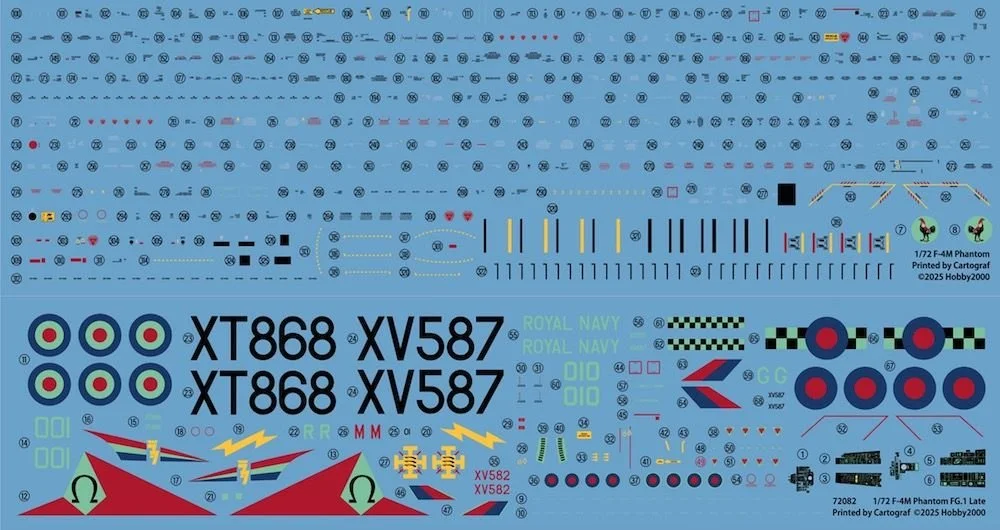 Image 7 of 7